Why Filling Gaps Between Tiles Matters More Than You Think
September 7, 2025
Why Filling Gaps Between Tiles Matters More Than You Think
When you look at a tiled floor or wall, it always seems clean and smooth. But the real reason tiles stay strong for years isn’t just the adhesive underneath. Their strength comes from one simple step — filling the gaps between tiles properly.
These small spaces, called joints, may look tiny but play a major role. If they remain open or poorly filled, water can enter, dirt settles inside, tiles loosen, and cracks start developing over time. That’s why filling tile gaps is not just for looks — it’s what actually keeps tiles safe and long-lasting.
Why Filling Tile Gaps Is Important
Tile joints may be small, but they act like tiny open doors. If they are not filled, water, dust, and germs slip inside. Slowly, this leads to damage, black fungus on walls, and weak flooring.
Using the right tile gap filler prevents leakage in bathrooms, balconies, and kitchens. It also keeps tiles firmly in place so they don’t move or break. Plus, the right grout shade gives a neat and finished look.
Simply put — filling tile gaps protects strength, cleanliness, and beauty.
Which Tile Gap Filler Should You Use?
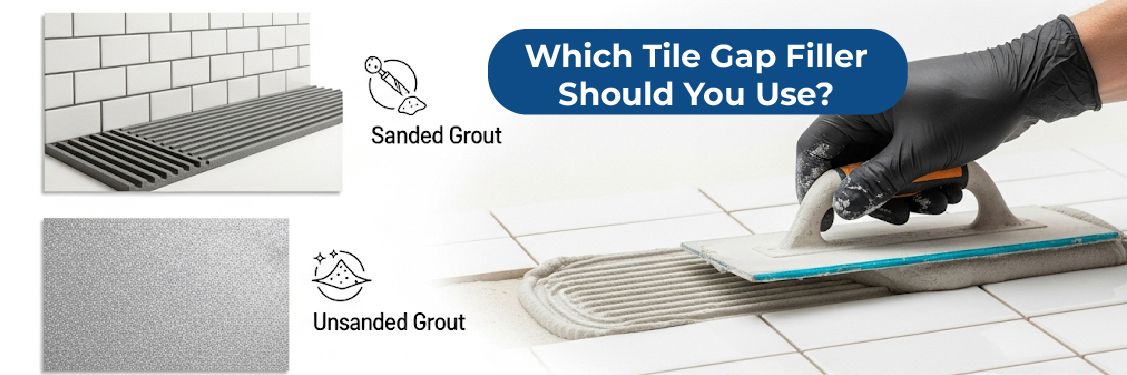
Different areas need different fillers:
Cement Grout:
Affordable and commonly used. Best for dry rooms like bedrooms and living areas. Not suitable for bathrooms or kitchens because it absorbs water. You can upgrade to Premium Unsanded Grout for a smoother and more durable finish.
Epoxy Grout:
The best option for wet spaces. Waterproof, stain-resistant, and durable. Ideal for bathrooms, kitchens, balconies, and swimming pools. For high-performance results, choose KE-100 Epoxy Grout.
Polymer Grout:
Stronger and more flexible than standard cement grout. Good for busy areas like hallways, shops, and offices.
Silicone Sealant:
Used at corners and edges — around sinks, bathtubs, or places where tiles meet walls. It stays flexible and doesn’t crack.
Quick Tip:
Use epoxy grout for bathrooms and kitchens, cement grout for dry rooms, and silicone sealant for corners.
Preparing Before Filling
Preparation decides how long your grout lasts. Clean all joints thoroughly — remove dust, dirt, and leftover adhesive. Ensure no tiles are loose. In wet areas, apply waterproofing before filling. A clean and solid base always gives a long-lasting finish. For stronger adhesion, many professionals use CX-1 Tile Adhesive as the base layer.
How to Fill Gaps Between Tiles
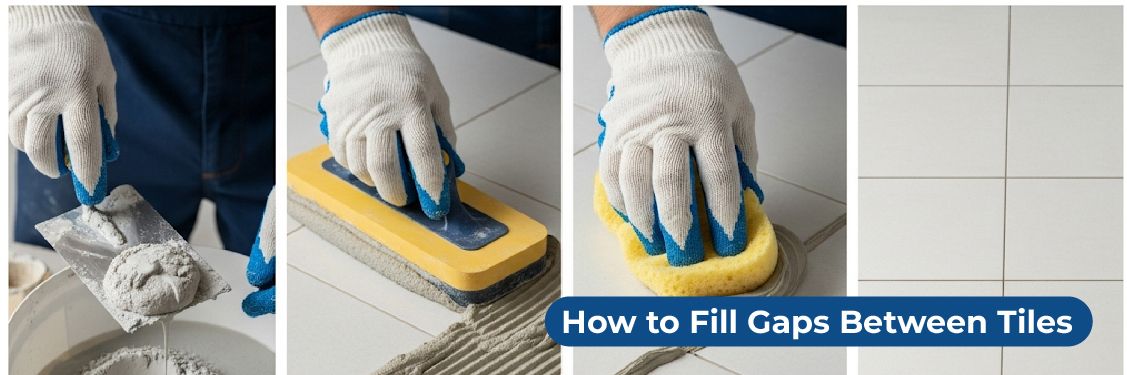
Mix grout with water to make a smooth paste.
Apply it diagonally using a rubber float so it fills joints completely.
Press firmly to avoid air gaps.
Wipe excess grout with a damp sponge.
Let it dry for 24–48 hours — don’t walk or wash during this time.
Apply grout sealer for extra strength.
Mistakes People Commonly Make
Many people make small mistakes that cause problems later — using cement grout in wet areas, not cleaning joints before filling, over-washing the surface too early, or skipping the sealer. These reduce tile life and cause cracks or stains.
Tips for a Perfect Finish

Choose the right grout colour — matching shades give a smooth look, contrasting colours create a bold design. Always use epoxy grout in bathrooms and kitchens. If joints darken or crack after a few years, re-grouting solves it. And remember, silicone sealant is the only right choice for corners. Regular cleaning with Tile Cleaner also helps maintain the fresh look.
Final Thoughts
Filling the gaps between tiles may seem like a small step, but it is the most important one. Open joints make tiles weak and dirty. Proper gap filling keeps them strong, clean, and beautiful for years.
In short:
Cement grout = best for dry rooms
Epoxy grout = best for bathrooms, kitchens, balconies
Silicone sealant = best for corners and edges
If the surface is prepared well, grout applied correctly, and drying time followed, your tiles will stay strong for years. Tiles don’t stay strong because of glue — real strength comes from proper tile gap filling. For extra durability, many professionals prefer waterproof solutions like PUA-100 in moisture-heavy zones.