








The Science Behind Effective Tile Cleaner Liquids
05
Sept 2025
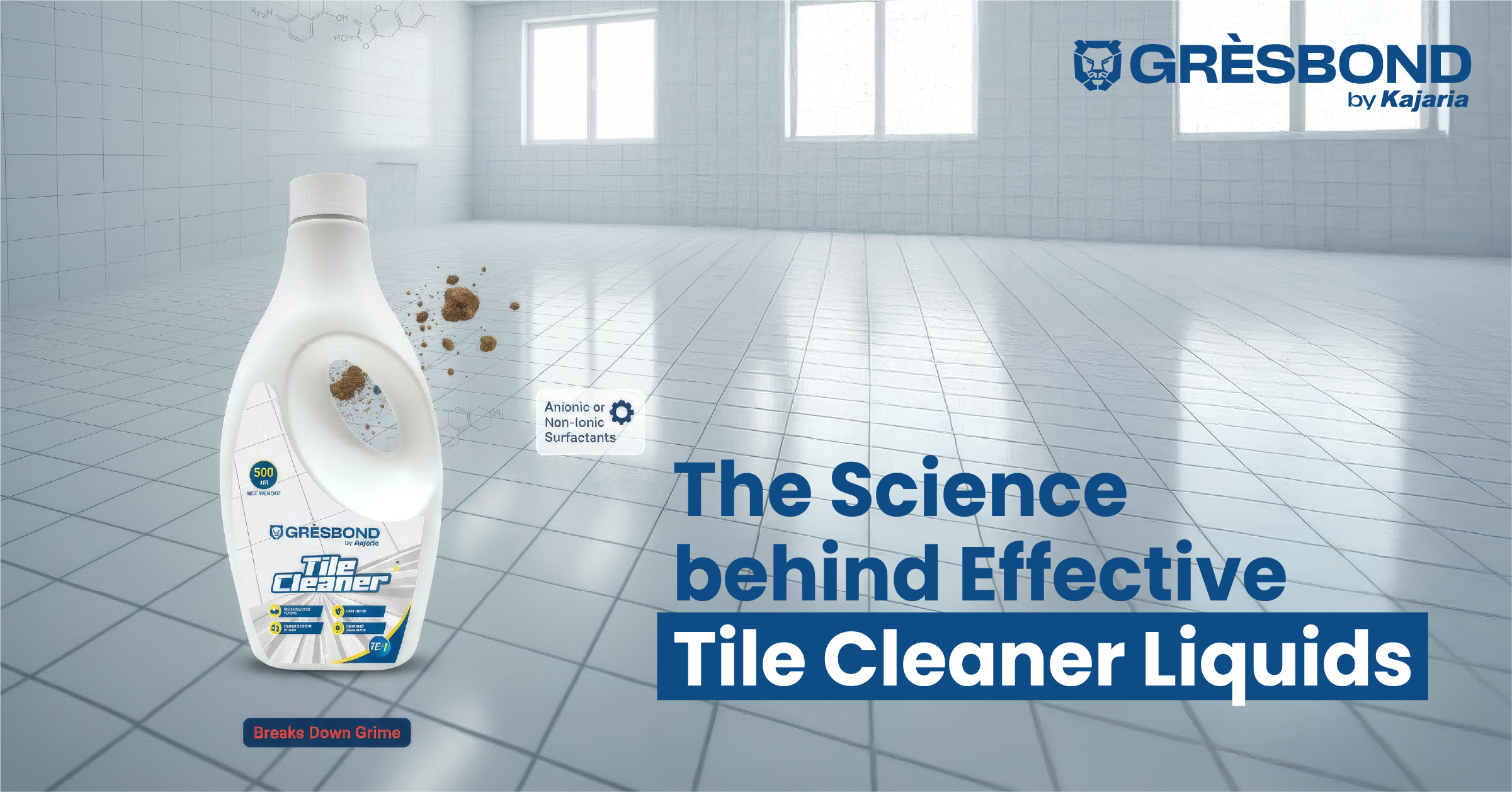
The Science Behind Effective Tile Cleaner Liquids
Tiles always look great when they’re new—shiny, smooth, spotless. But keeping them that way isn’t easy. Daily life brings stains, greasy marks, muddy footprints, and soap residue. Slowly, the gloss fades and no matter how much you mop with regular soap water, the tiles start looking dull.
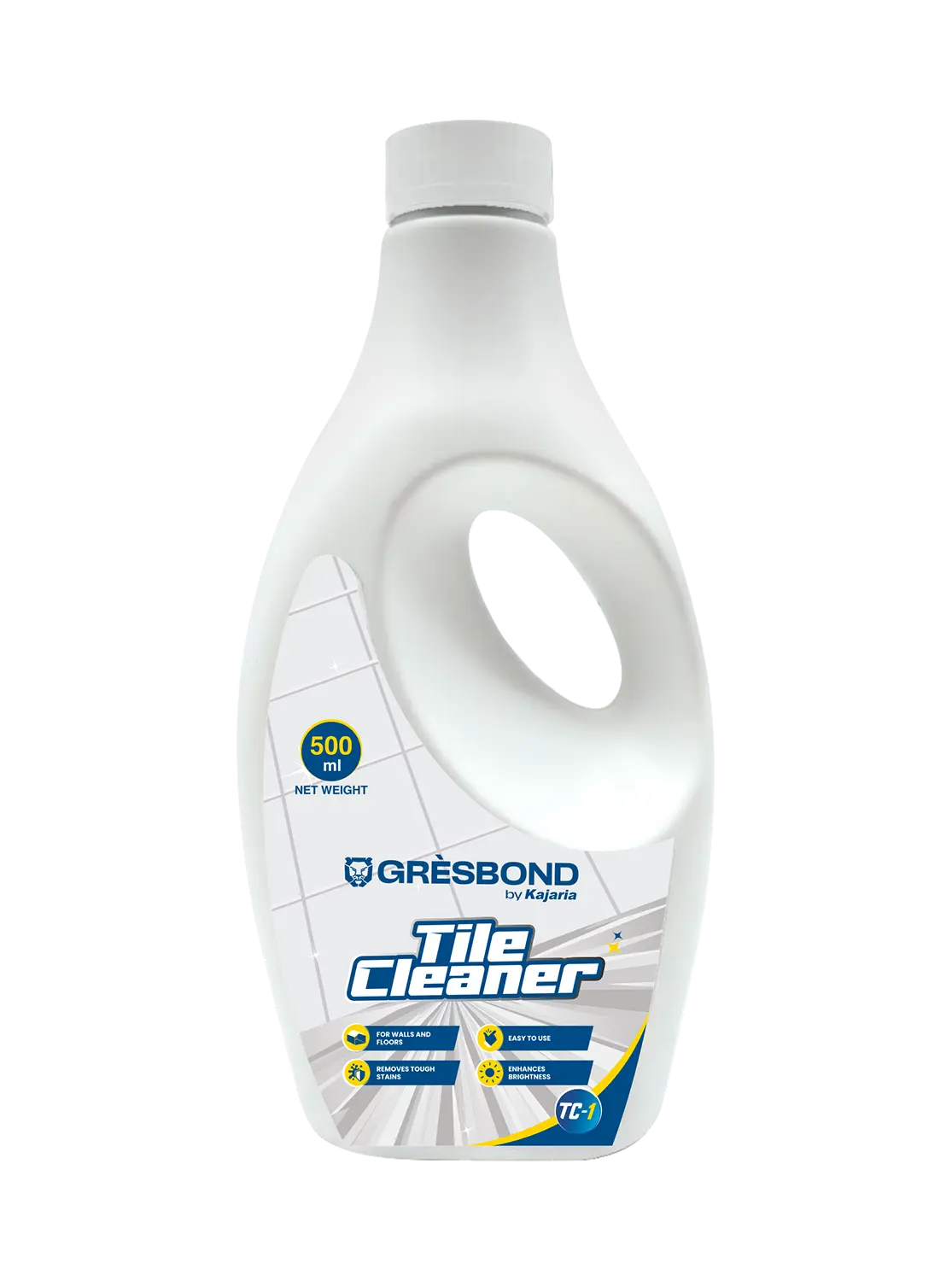
This is where tile cleaner liquids truly shine. They’re not just basic soaps. They’re designed to tackle the stubborn dirt and stains that normal detergent can’t remove. Many people also pair them with reliable products like professional tile cleaner liquids for deeper shine.
Why Regular Soap Doesn’t Work
Most people use water and washing powder. The floor looks clean for a few hours but then the dullness returns. Why?
Kitchen grease sticks to tiles and doesn’t wash away with plain soap.
Bathroom hard-water stains cling tightly and don’t dissolve with normal detergent.
Grout lines absorb dirt and germs like sponges, unless maintained using solutions compatible with premium unsanded grout.
To clean tiles deeply, you need more than soap—you need science.
What’s Inside a Tile Cleaner?
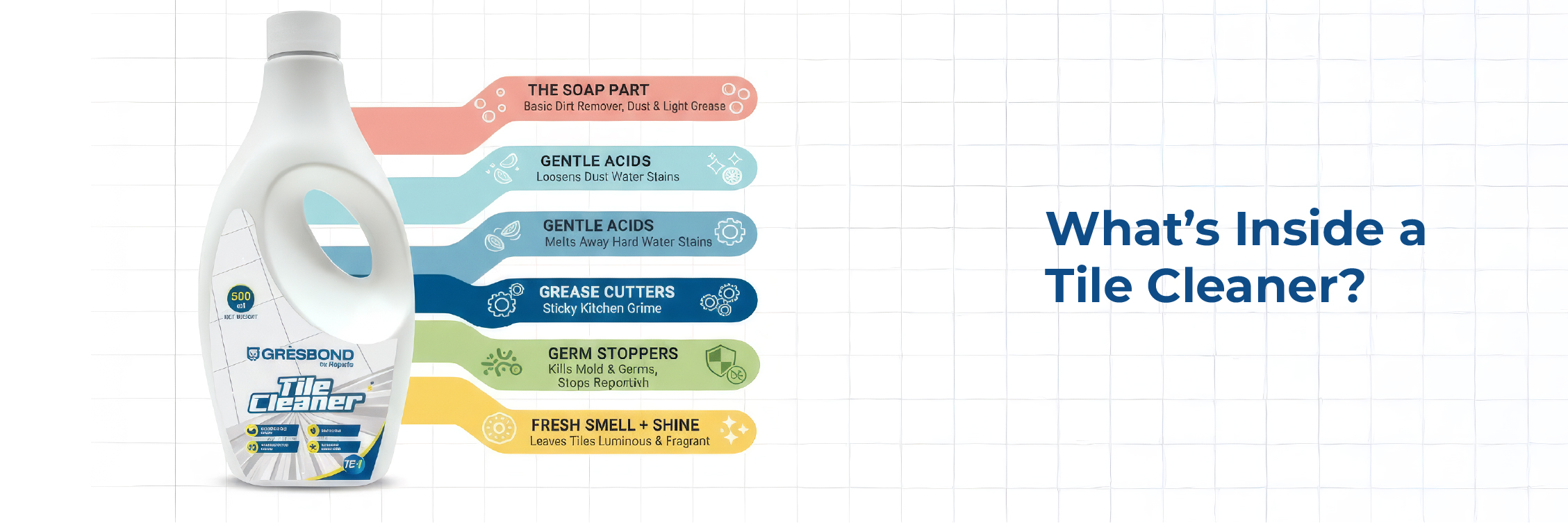
A tile cleaner is like a formula. Each ingredient has a purpose.
1. The Soap Part
This loosens light dirt and helps water spread evenly. It lifts dust and mild grease from the tile surface.
2. Gentle Acids
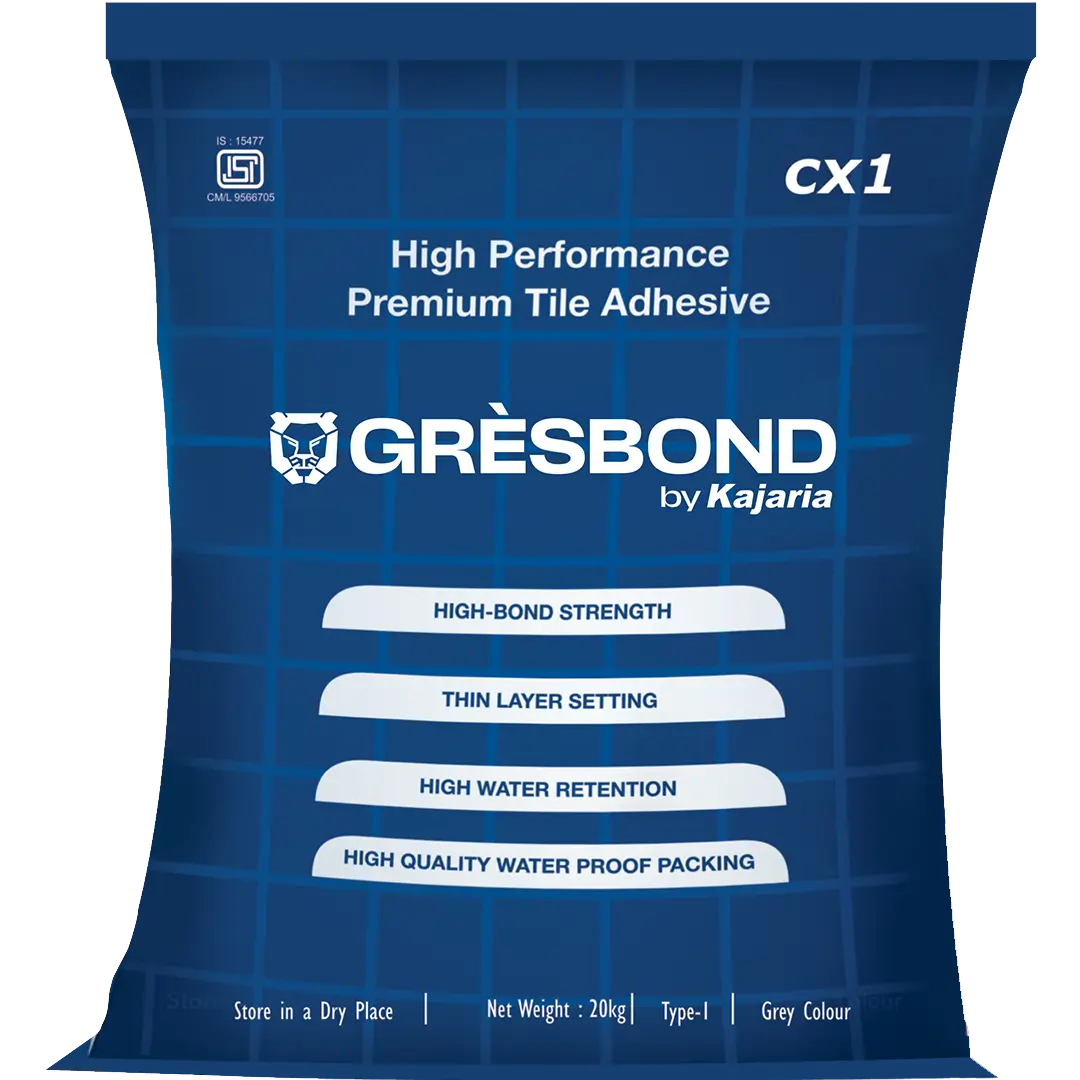
Bathroom stains and hard-water marks don’t move easily. That’s why cleaners often use lemon-based or mild acids. These work well when paired with strong tile adhesives like CX-1 Tile Adhesive in long-term maintenance.
3. Grease Cutters
Kitchen tiles need stronger action. Grease-cutting agents break down sticky oil layers so the mop can pick them up easily.
4. Germ Stoppers
Bathrooms stay damp and grout turns black from mold. Good cleaners contain anti-germ agents that kill bacteria and prevent mold.
5. Fresh Shine & Protection
Some cleaners add fragrance and a protective layer that keeps tiles cleaner for longer—especially when used along with durable epoxy solutions like KE-100 epoxy grout.
The Role of pH — Simple Explanation
Acidic Cleaners: Best for bathrooms; remove hard-water stains.
Neutral Cleaners: Perfect for everyday mopping.
Alkaline Cleaners: Strong and ideal for oily kitchen floors.
Using the wrong cleaner can dull tiles or weaken grout—especially if the grout isn’t reinforced by high-performance products like PUA-100 tile adhesive.
When Cleaning Liquids Damage Tiles

If tiles lose their shine after months of cleaning, the problem is usually the wrong cleaner:
Too much acid can damage tile glaze.
Strong alkaline cleaners can weaken or discolor grout.
Always read the label and choose the right cleaner for your tile type.
Types of Tile Cleaners You’ll Find
Daily neutral cleaners: Safe for everyday use.
Acidic formulas: Good for bathroom stain removal.
Alkaline cleaners: Best for greasy kitchen tiles.
Eco-friendly options: Safe for homes with kids or pets.
Grout Needs Attention Too
Grout absorbs dirt, water, and germs, which makes it look darker than tiles. A good tile cleaner also cleans grout lines and prevents odor and mold — especially when the grout matches products like premium unsanded grout.
Homemade vs. Store-Bought Cleaners
Vinegar and baking soda work for light cleaning, but they’re not enough for deep grease or mold. Professional cleaners save time and work more effectively.
How to Use Tile Cleaner Liquids Properly
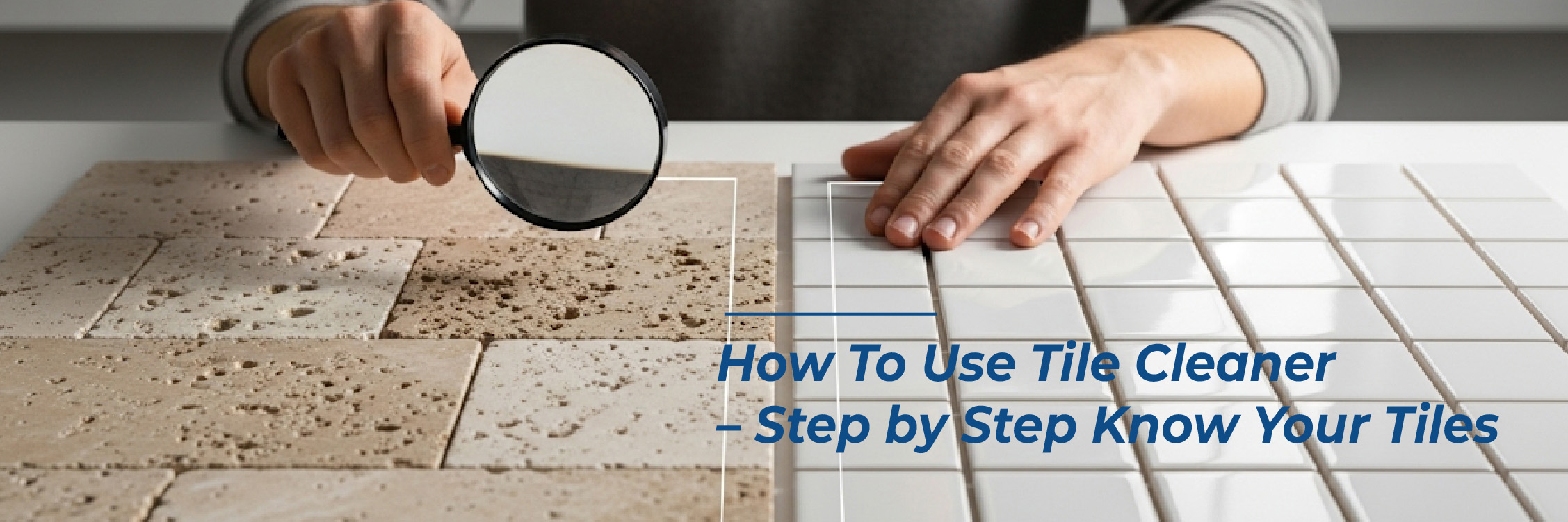
- Read the label carefully.
- Dilute the cleaner if required.
- Test it on a small corner first.
- Use soft mops, not harsh brushes.
- Rinse well to avoid residue.
What’s Coming Next?
Tile cleaner technology is improving fast. New developments include:
- Eco-friendly and biodegradable formulas
- Enzyme-based stain removers
- Nano-coating cleaners that keep tiles glossy longer
Final Thoughts
Tiles are tough, but regular soap can’t fight grease, hard-water stains, or mold. That’s why tile cleaner liquids exist. They use the right mix of pH-balanced cleaners, stain removers, and germ fighters.
When you choose the right cleaner and use it properly, you:
- Keep tiles shiny and fresh
- Protect grout from staining
- Save time and effort
- Prevent long-term tile damage
In simple words — a good tile cleaner removes dirt without harming tiles. That’s what keeps your home looking beautiful for years.
