How to Fix Tile Cracks: Causes, Prevention & Solutions
Gresbond by Kajaria Editorial Team
September 8, 2025
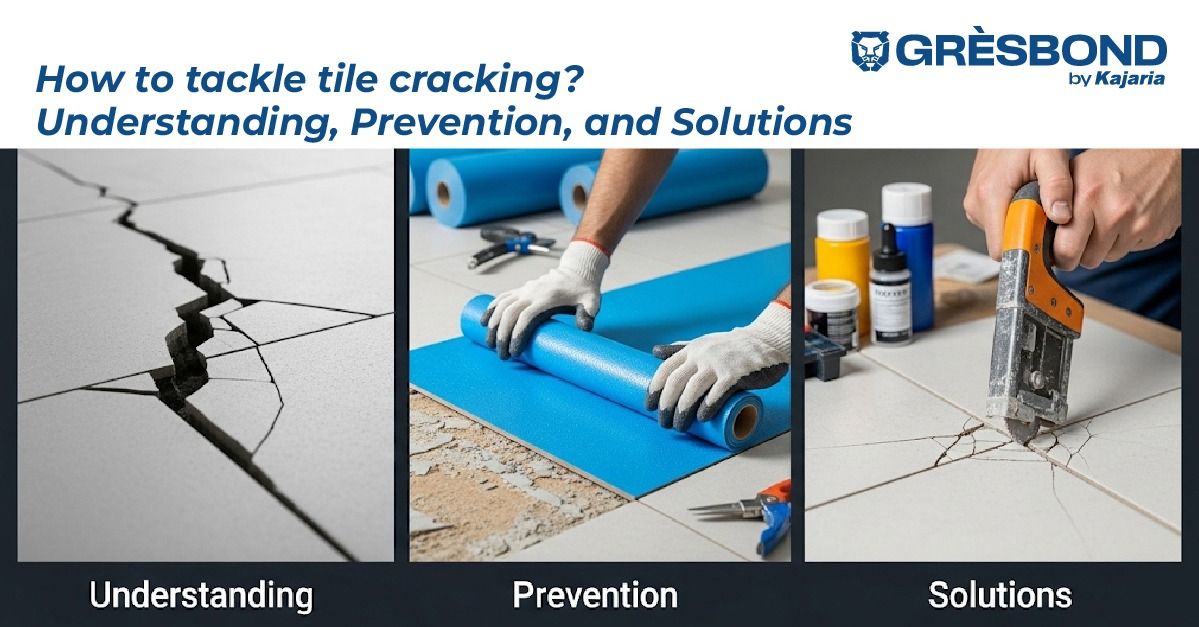
Tiles are strong, stylish, and built to last — but nothing spoils them faster than a crack. Even a small line is visible from far away, and if ignored, it spreads, weakens the surface, and allows water to slip inside. Tiles never crack without a reason. The good thing is: with the right care, most cracks can be prevented or repaired before they turn into a bigger problem.
Why Tiles Break?
Not Fixed Well: If tiles are installed incorrectly, they break easily — especially when low-quality adhesive is used instead of durable options like CX-1 Tile Adhesive.
Weak Ground: A weak or uneven base makes tiles crack.
House Movement: Small building shifts can cause tile breakage.
Heavy Objects: Dropping or dragging heavy items cracks tiles.
Wrong Tile Choice: Using wall tiles on floors or indoor tiles outdoors leads to damage.
Water Issues: When water reaches beneath tiles, they loosen and break — especially if grout lines are not sealed properly using premium unsanded grout.
How to Stop Tiles from Breaking
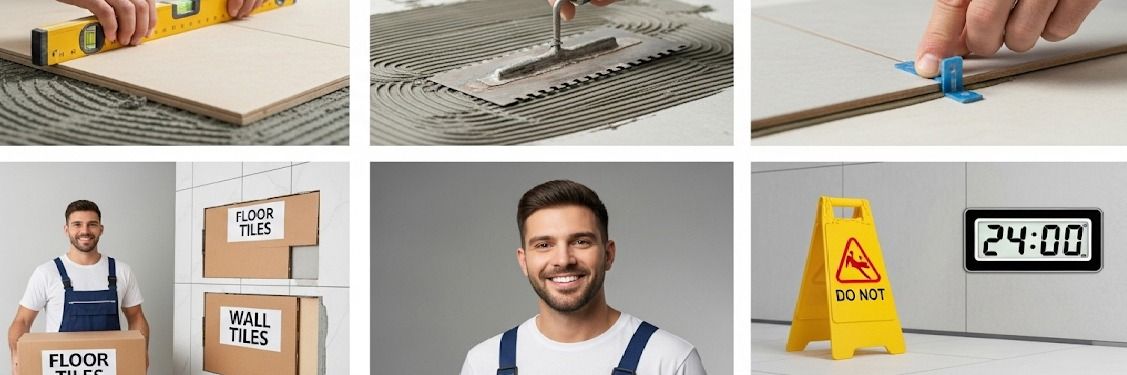
Flat Floor: The base must be clean, level, and strong.
Strong Adhesive: Use high-quality tile adhesive such as PUA-100 adhesive for better bonding.
Leave Gaps: Always leave small joints between tiles.
Right Tiles: Floor tiles for floors, wall tiles for walls, outdoor tiles outside.
Skilled Installers: Good workmanship prevents cracks.
Drying Time: Let tiles cure properly before using the surface.
What to Do If Your Tiles Are Cracking
Small Cracks (hairline): Thin cracks don’t break tiles quickly but can trap dirt and water. Fill them with grout or adhesive — ideally the same system used in areas with unsanded grout — to keep the surface safe.
One or Two Cracked Tiles: If only a few tiles are damaged, replace them. Remove the broken tiles, clean the base, and install new ones with the correct adhesive. This restores the look and strength — especially when fixed using KE-100 epoxy grout for stronger joints.
Many Cracked Tiles: If multiple tiles are cracking, the problem is deeper — the base floor is weak. Replacing tiles alone won’t help. The foundation must be repaired first. Call an expert in this case.
Long-Term Solutions and Care
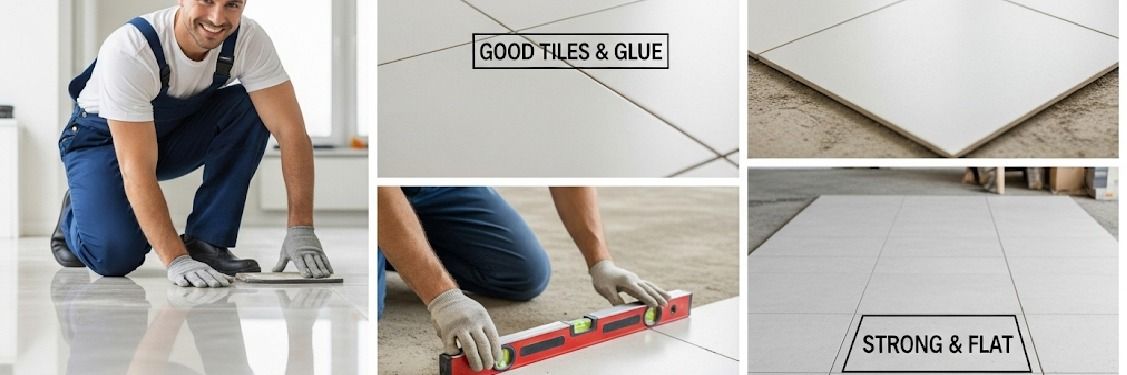
Tiles can last for many years if you maintain them well. Always choose good-quality tiles and adhesive. Fix them carefully without rushing, ensuring the base is strong and level.
Use pads under furniture to avoid scratches. Don’t drag heavy objects. Keep grout lines sealed, especially in kitchens and bathrooms, so water cannot seep under tiles. Regular cleaning using professional tile cleaner also helps prevent moisture buildup.
Check your tiles every few months. Fix small cracks early before they get worse.
Final Thoughts
Tiles crack for clear reasons — weak installation, wrong tile selection, heavy impact, or a poor base. But most cracks can be avoided with the right method: a flat surface, good adhesive, proper spacing, and the correct tile for the right place.
If cracks appear, act quickly. Small cracks can be filled, one or two tiles can be replaced, and if many tiles break, the base needs repair.
Tiles do more than look beautiful — they protect your home. Take care of them, and they’ll stay strong and elegant for years.