Why the Cement Method Fails in Bathrooms and Wet Areas
Gresbond by Kajaria Editorial Team
December 25, 2025
For years, tile fixing followed one simple rule: use cement everywhere. Floors, walls, kitchens, bathrooms — same mix, same approach. And on day one, it always looked solid. Tiles felt firm. No movement. No complaints. The problem didn’t show up immediately.
It showed up months later — sometimes a year later — when tiles started sounding hollow, grout lines cracked, or water began creeping where it shouldn’t. By then, the damage was already underneath the surface. The reason is simple: cement isn’t made for constant moisture. Let’s break this down without technical jargon.
Cement Looks Strong, but Water Slowly Weakens It
Once cement sets, it feels rock hard. That’s why it earns trust. But cement has a weakness most people ignore — it absorbs water. Bathrooms never fully dry. Water seeps through joints, corners, and edges every day. Cement pulls that moisture in and holds it. Over time, this repeated exposure slowly reduces its strength. Nothing dramatic happens overnight.
The bond weakens quietly. By the time you notice a problem, the damage has already settled in.
What Actually Happens Under Tiles in Wet Areas
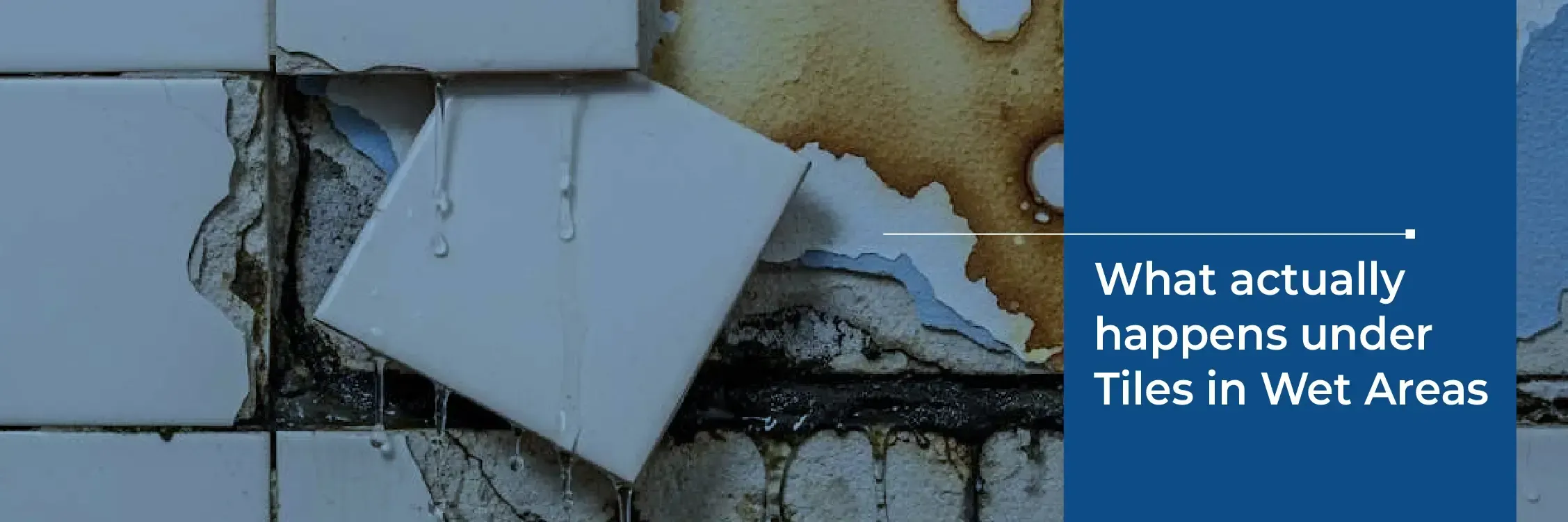
Water doesn’t need a big crack to enter. Tiny gaps in grout are enough.
Once moisture reaches the cement layer:
The base stays damp for long periods
Bond strength reduces bit by bit
Support under tiles becomes uneven
Tiles don’t fail suddenly. They start with a hollow sound. Then slight movement. Later, complete loosening.
Daily use speeds this up.
Shrinkage Creates Empty Spaces Under Tiles
Cement shrinks as it dries. This is normal — but in tile fixing, it causes trouble.
That shrinkage creates small voids under tiles. Those gaps allow movement when weight is applied. Over time, pressure concentrates on weak points, leading to cracks or tile pop-ups.
In bathrooms, moisture accelerates this process even further.
Uneven Application Is a Big Hidden Issue
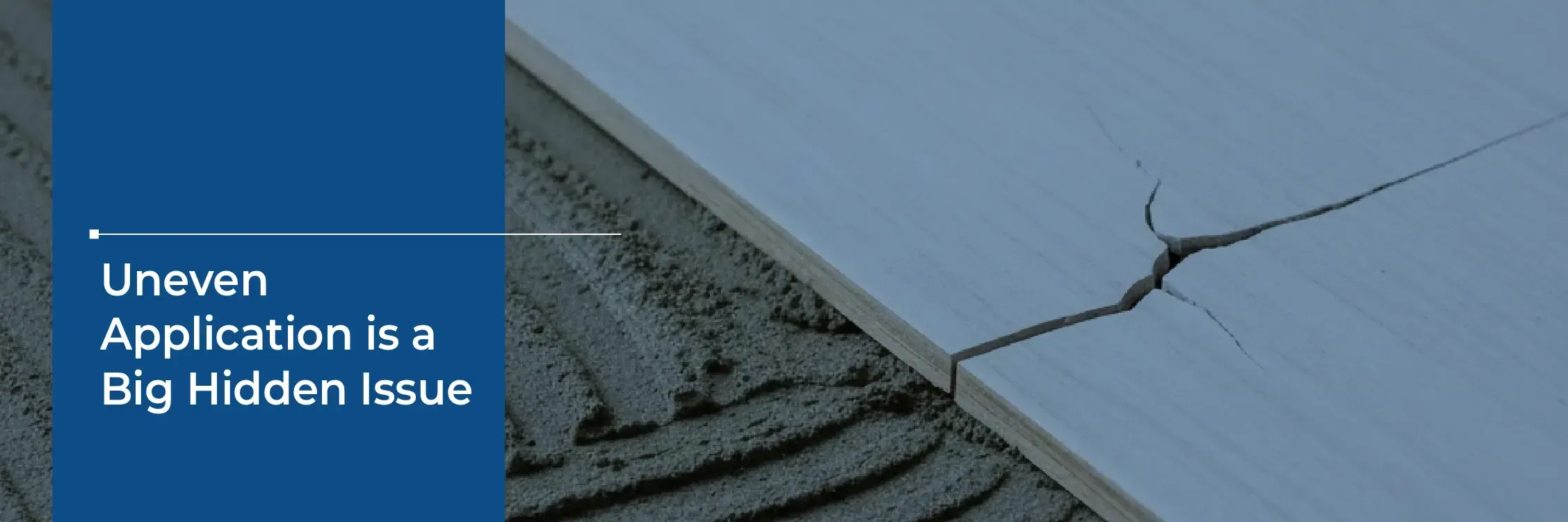
Cement is applied manually. No matter how skilled the worker is, achieving perfectly even coverage is difficult. Some areas end up thicker. Others barely get support.
That uneven base is the reason tiles develop hollow sounds later. Larger tiles suffer the most because they need full surface contact to stay stable.
Why Bathrooms Make the Problem Worse
In dry rooms, cement survives longer because water exposure is limited.
Bathrooms are different.
They deal with:
Daily water usage
Steam and humidity
Frequent washing
Cement simply isn’t designed to stay strong in these conditions long-term. It breaks down slowly, and tile fixing starts failing much earlier than expected.
Why Strong Grout Doesn’t Fix the Real Problem
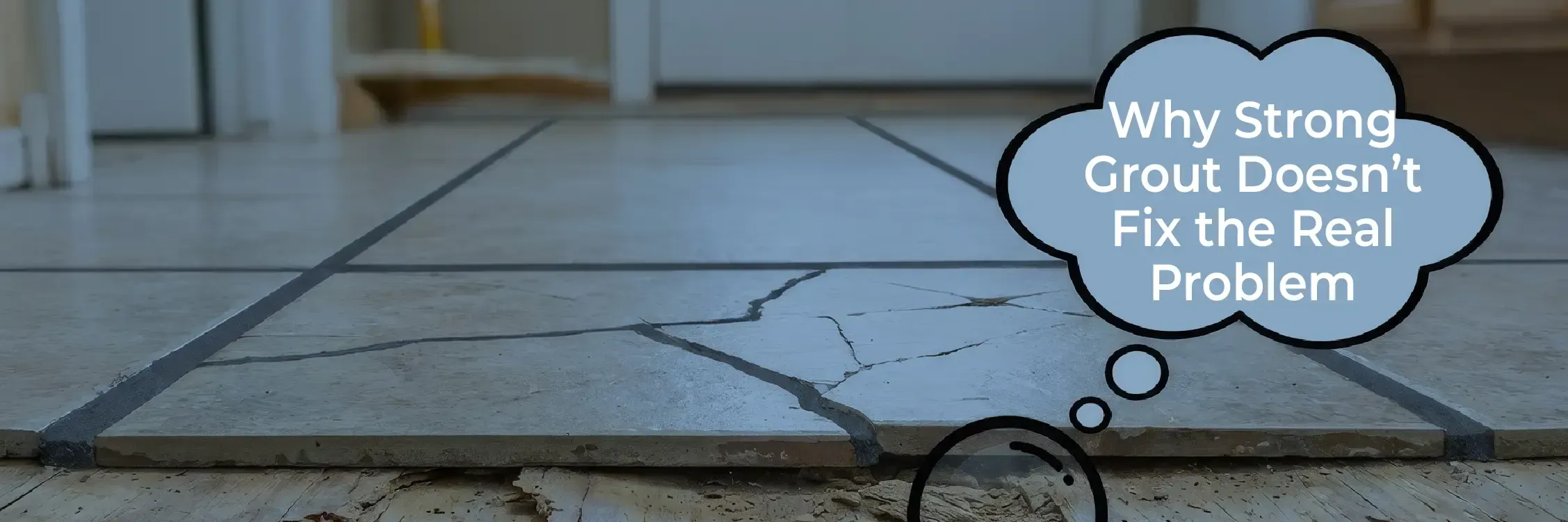
Many people assume better grout will solve everything. It doesn’t. Grout only fills the gaps between tiles. It doesn’t seal the system completely. Water still finds a way through and reaches the cement layer below. Once the base weakens, grout cannot compensate for it.
Using solutions from Best Tile Adhesives improves system performance when moisture resistance is required.
How Cement Failure Shows Up in Real Homes
It usually starts small:
Hollow sound
Fine grout cracks
Then it gets worse:
Loose tiles
Water seepage
Damage to nearby areas
By the time repairs are done, the cost and effort are much higher than doing it right the first time.
Why Modern Tile Fixing Methods Last Longer
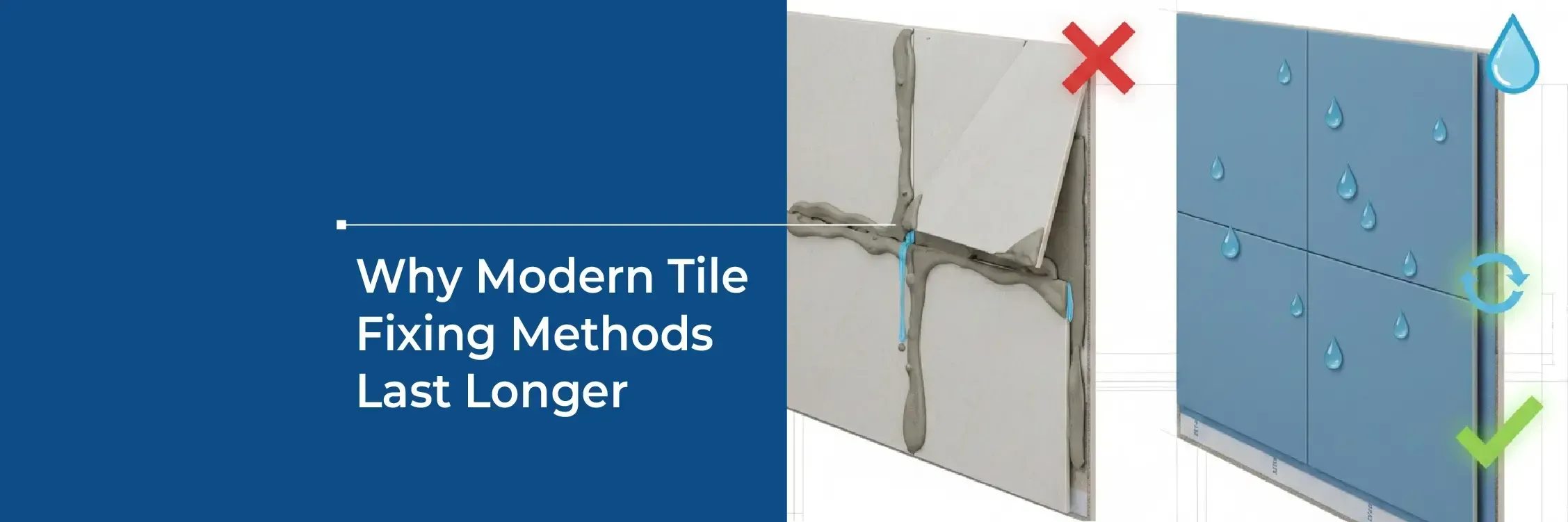
Modern tiling installation systems are built to handle moisture. They spread evenly, reduce empty spaces, and maintain bond strength even with daily water exposure.
Products like LX-7, grout additives such as KGA 01, and tools including Tile Leveling Systems and Rubber Mallet help achieve consistent results.
That’s why traditional cement fixing is slowly disappearing from bathrooms and wet areas.
Final Word
The cement method fails in bathrooms because it absorbs water, shrinks after drying, and cannot provide uniform support under tiles. Over time, this leads to hollow sounds, loose tiles, and water damage.
Bathrooms need systems that are designed for moisture — not methods that rely on habit.
Good tile fixing isn’t about old practices.
It’s about choosing what actually works where it’s used.