Is Grout Really Waterproof in Bathrooms, or Does Water Still Get Through?
December 5, 2025
A lot of people assume one thing: once tiles are fixed and grouting is done, the bathroom is sealed. No leaks. No worries. Everything looks neat, clean, and finished.
But bathrooms don’t work that way.
Even when grout looks solid from the outside, water still finds a way in. Slowly. Quietly. And most people don’t realise it until damage has already started.
Let’s keep this simple.
What Grout Is Actually Designed to Do
Grout’s main job is to fill the gaps between tiles. It locks the layout visually and keeps tiles aligned. It also helps slow down direct water flow between joints.
What it is not designed to be is a full waterproof barrier.
Think of grout as a filler, not a shield.
It manages water — it doesn’t stop it completely.
Why Water Still Passes Through Grout
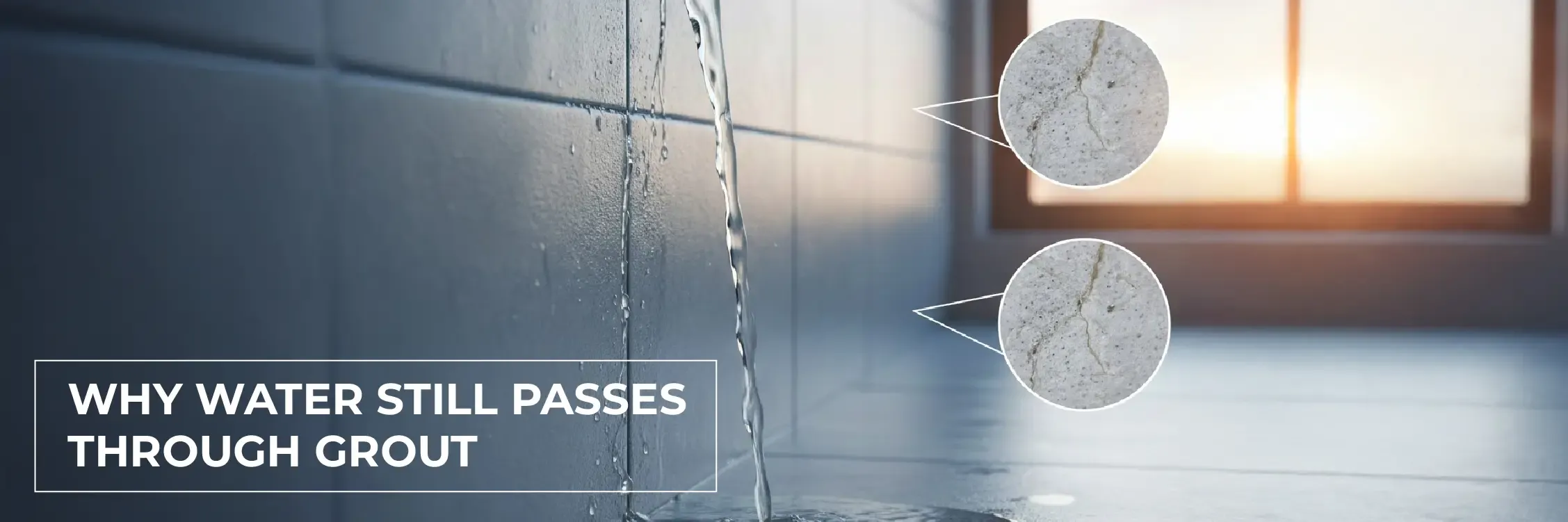
Unsanded grout or cementitious grout materials are slightly porous. That means they absorb moisture.
In dry areas, this doesn’t cause much trouble. In bathrooms, it does.
Bathrooms deal with water every single day. Over time, grout absorbs moisture again and again. That moisture slowly travels downward and reaches the layer below the tiles.
This is why leakage problems usually start from grout lines, not from broken tiles.
What Happens After Water Gets Past the Grout
At first, nothing looks wrong. Tiles stay in place. Surfaces look normal.
But underneath, things start changing.
You’ll slowly notice:
Grout cracking or washing out
Hollow sounds when tiles are tapped
Tiles becoming loose over time
In wet areas, damage builds quietly. By the time it’s visible, it’s already advanced.
Does Sealing Grout Solve the Problem?
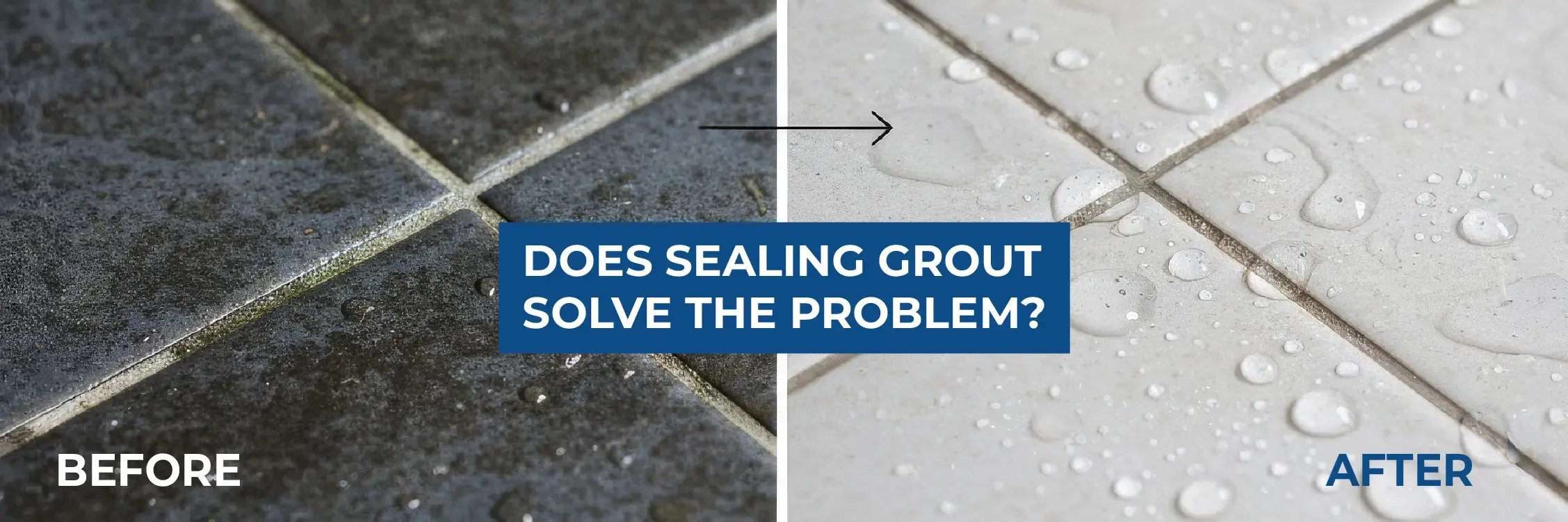
Grout sealers do help — but they are not permanent.
Sealers reduce water absorption for a while. Then daily cleaning, foot traffic, and constant moisture wear them down. Once the sealer weakens, grout goes back to absorbing water.
Sealed grout still needs inspection and maintenance. It’s not a one-time fix.
Why Grout Problems Appear Faster in Indian Bathrooms
Indian bathrooms usually face tougher conditions:
Bucket water usage
With acidic cleaner like Harpic and all
High humidity
Because of this, grout stays wet for longer periods. It doesn’t get enough time to dry fully. Over time, it weakens faster compared to dry rooms.
That’s why grout issues show up earlier in wet areas.
Why Grout Alone Can’t Protect Tiles
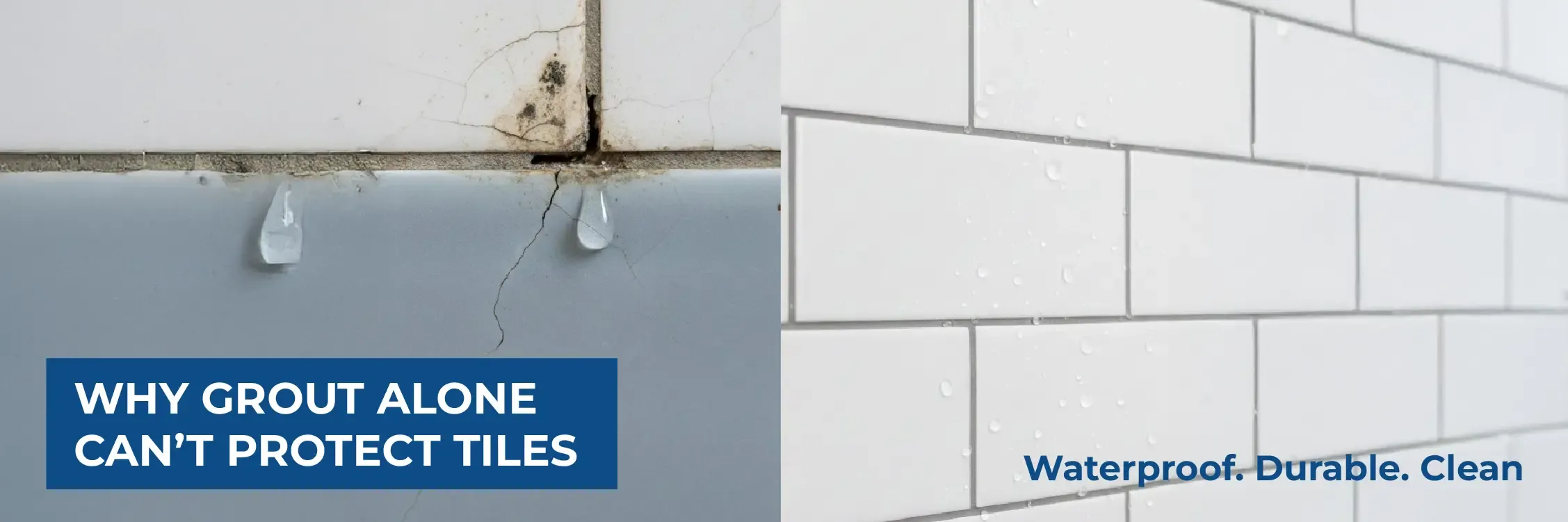
Many people think stronger grout means stronger tile fixing. That’s not how it works.
Grout supports the joints.
Real strength comes from what’s under the tile.
If the bonding layer below is weak, grout cannot save the system. Both need to work together. One cannot compensate for the other.
How to Reduce Damage Caused by Water Through Grout
You can’t block water completely — but you can reduce problems.
Proper grouting, correct curing time, and regular checks make a big difference. Small cracks should be fixed early. Ignoring them usually leads to bigger tile failures later.
Early repair saves effort and cost.
When Grout Becomes a Warning Sign
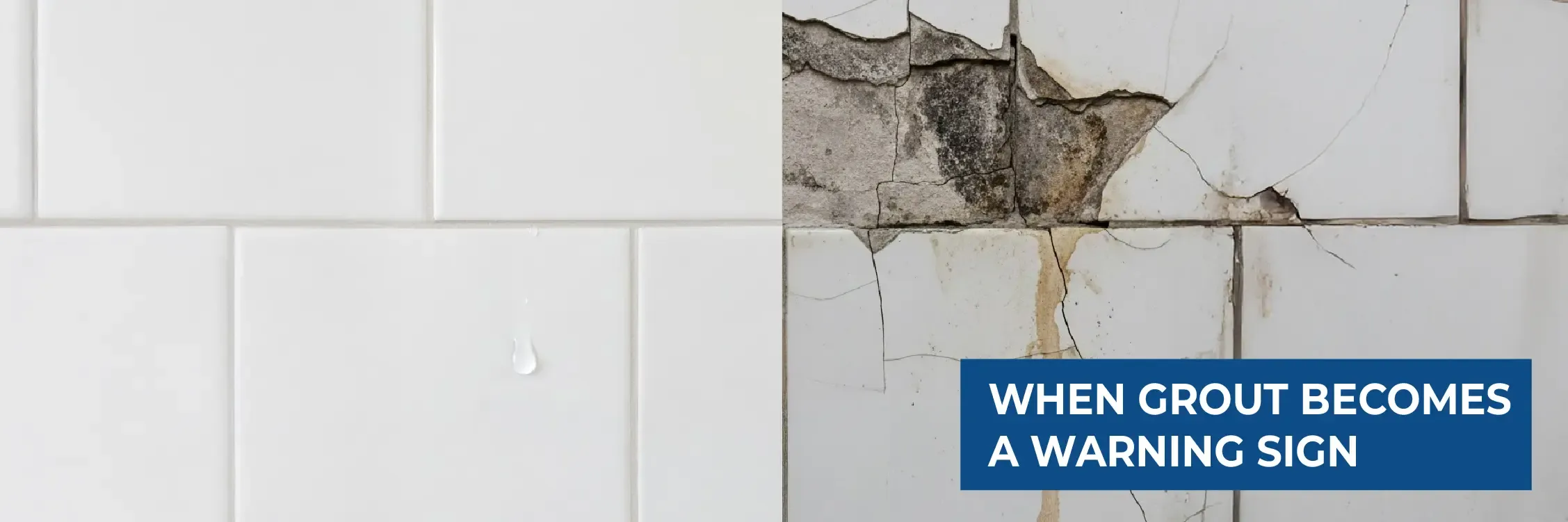
If grout starts cracking badly, coming out. it’s not just a surface issue. It means water is already moving below the tiles.
At this stage, cleaning won’t help. Repair or re-grouting becomes necessary.
Delaying action only increases damage.
Final Takeaway
Grout is water-resistant, not waterproof.
It slows water down, but it does not stop it completely. Over time, moisture passes through grout and reaches beneath the tiles. That’s why strong bonding, correct fixing methods, and regular grout maintenance matter.
A durable bathroom isn’t built on clean joints alone.
It depends on what’s holding everything together underneath.
Using solutions from Best Tile Adhesives, epoxy grouts like KE-100 GLITTER Epoxy Grout and KE 100, along with proper tools such as Trowel and Rubber Mallet, helps improve long-term bathroom performance.
Frequently Asked Questions
https://youtu.be/rrKWmRwCVpY?si=cHwvQa3gF7vo1p4O
https://youtu.be/dhA3yEtFCFY?si=2j7ZV5A-yf2H6oHi
https://youtu.be/YB2h48nZI7U?si=kTmJ5KW2UcMczh0B
https://youtu.be/LlxxCjuRjkc?si=OmEFBzbLW7Xizm_L
https://youtu.be/6DlGzA42JYA?si=ZM3zzOupvOu51yil
https://youtu.be/BXcf8z1fimA?si=bS0KidVo6YkP_stE
https://youtu.be/KQ4I1In4OeA?si=6AvWQcS1ntwUIrqO
https://youtu.be/zSxOzTHxcWc?si=HDrk0G1Nods3np0P
https://youtu.be/K3r7CNRxEbs?si=fb7g6eHx_L4yuBQ6
https://youtu.be/YCrrzV_bkyk?si=VvU-txamk46V2544
https://youtu.be/OmjGnnIQs3o?si=mZfKJNncJ2se1QqF
https://youtu.be/hIcreSQKPQU?si=GquoCdizyeypIuSi
https://youtu.be/bOxdGUCdKjw?si=tW8z0mejV3iTFwRy
https://youtu.be/vuENEFdAyYQ?si=bVXIIpyrh3wiYYaZ
Still have questions? Contact our technical team