Terrace Waterproofing: Best Methods and How to Choose One
gresbond
February 26, 2026
The terrace takes the worst of the weather, so leaks usually start there. This guide compares the five common waterproofing methods, explains how to choose by budget and climate, and covers tiling over a waterproofed terrace correctly.
Waterproofing is necessary in order to prevent water leakages. And the most water seepage and leakage-prone area in any building is its top, I.e., the Terrace. Whatever the weather, Terrace has to bear that, whether it is hot, rainy, cold, humid, or any other. That will definitely weaken the Terrace and cause water leakage.
In this article, you will go through The Best Waterproofing Methods For Terrace. So that you can prevent yourself from the costly repairs and maintain the healthy structure of the building.
Prevent the Aesthetic Appeal of Building With Waterproofing
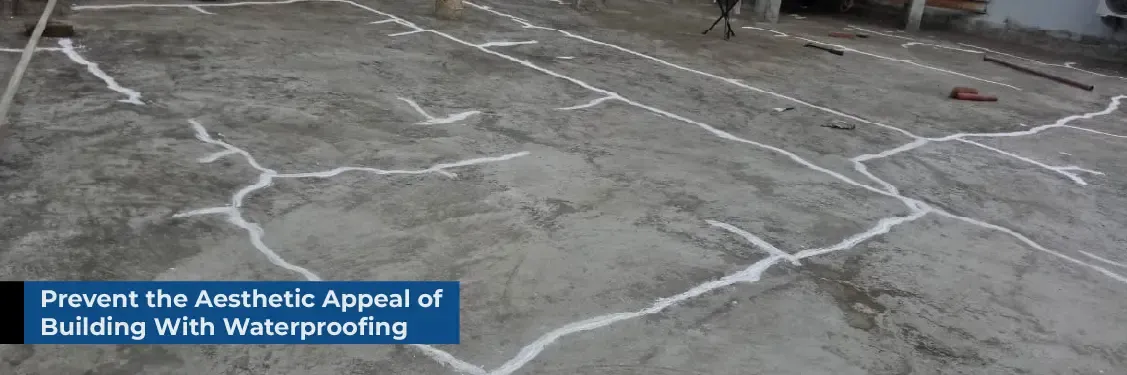
The terrace is the crown of any building. It should be maintained properly to maintain the aesthetic of the building. Here are the reasons why it is necessary to waterproof the Terrace:
To increase the lifespan of the building
To reduce the maintenance cost
Water seepage and leakage can cause cracks that will further leak the entire building
To prevent mould and ceiling dampness
To protect concrete from cracks and corrosion
Terrace directly contacts every season. Leakages mainly happen during rainy, humid, and other critical weather conditions. So waterproof the Terrace beforehand to protect your building from such conditions.
Methods to Waterproof The Terrace
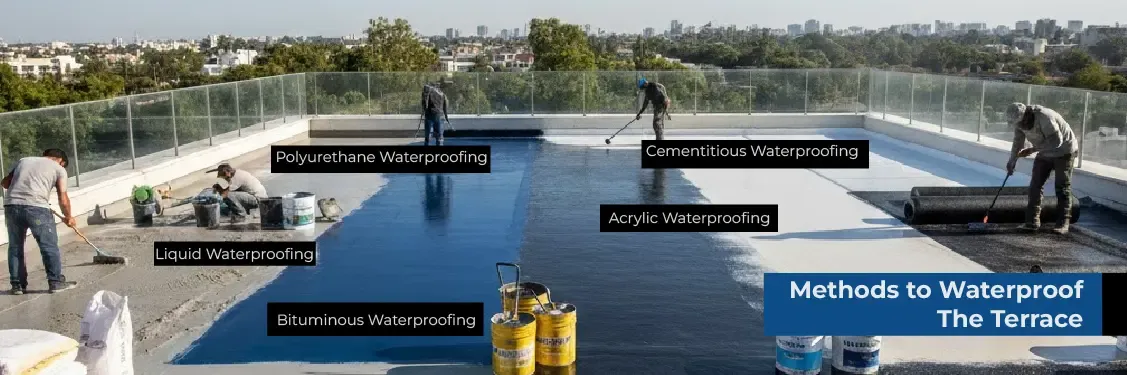
In this advancement, new techniques are evolving day by day as with waterproofing methods. Here we will discuss The Best Waterproofing Methods For Terrace:
Cementitious Waterproofing: The oldest yet most effective method of waterproofing that involves applying a very thick layer of a CX-1 compound mixed with water. The most reliable way to apply the mixture is through a big brush or trowel. Cement is the perfect barrier that has been in use for so long.
Liquid Waterproofing: This lightweight waterproofing is a thin and flexible coating to the surface that can either be sprayed, troweled or rolled on. A thin membrane is formed that generates a seamless waterproof barrier. It prevents leakage and seepage completely with this thin but stronger membrane only. Recommended products include VX-1 and EX-5.
Polyurethane Waterproofing: This liquid waterproofing technique is a perfect example of advancement. The membrane of primer it adds to the Terrace enhances its durability, provides flexibility and strength. Although this method is a bit more expensive than others, it successfully withstands extreme weather conditions as well. You can also explore LX-7 Superflex S2.
Acrylic Waterproofing: This type of waterproofing is mainly in practice due to its ease of application and quick drying process. A smooth layer is applied to the surface after cleaning and preparing it for the waterproofing. An acrylic layer can be applied via a roller or sprayer. Suitable options include pua-100 and Premium Unsanded Grout.
Bituminous Waterproofing: If your terrace has a flat surface then you must opt for this type of waterproofing. Its excellent performance and long-lasting durability protect against water leakages and dampness. For enhanced joint strength, use KAG-01.
There are many other methods of waterproofing available in the market but these are the best ways that give you complete protection along with saving you lots of maintenance costs.
How to Choose The Best Waterproofing Method?
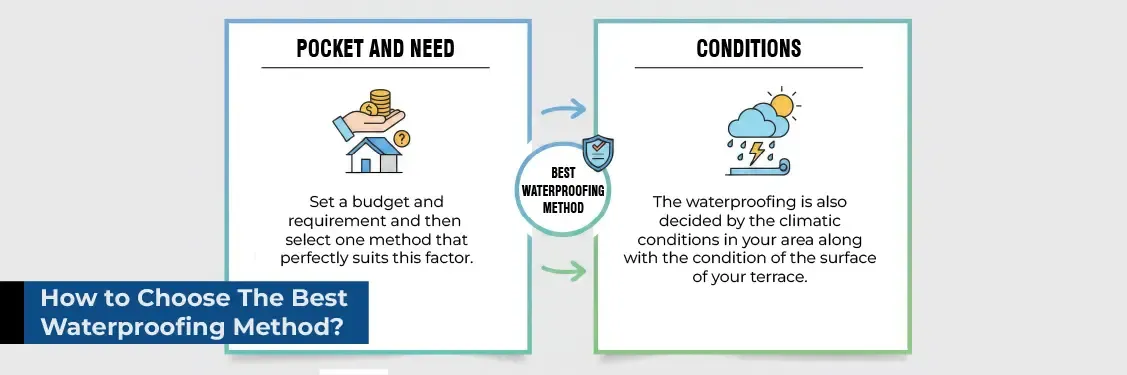
Every type of waterproofing has its own benefits but there are some factors that can help you in deciding which one to choose for the condition of your Terrace.
Pocket and Need: Set a budget and requirement and then select one method that perfectly suits this factor.
Conditions: The waterproofing is also decided by the climatic conditions in your area along with the condition of the surface of your terrace.
If still in doubt, you can also contact the experts in waterproofing. They will suggest the best possible way. You will get plenty of waterproofing options in your budget with the best results.
Finalizing
Waterproofing the Terrace is as necessary as protecting your skin from harsh UV rays. You must be wise enough before deciding the type of waterproofing you are going to choose for the Terrace as the entire building’s health depends upon it. Don't hesitate to ask the experts because such investments should always be the smarter one. The best waterproofing for your Terrace is one that provides durability, versatility and prevents leakage in every climatic condition.
Frequently Asked Questions
There is no single answer; it depends on the slab, the climate and the budget. Cementitious coatings are economical and suit sound concrete. Liquid-applied membranes give a seamless film on irregular surfaces. Polyurethane costs more but handles movement and temperature extremes. Acrylic is quick-drying for lighter duty, and bituminous membranes are a long-standing choice for flat roofs.
Yes, but the prep decides the result. Trace where the water is entering, chip out and repair cracks and honeycombing, treat any corroded reinforcement, make sure the slope drains to the outlets, and let everything dry. Coating over damp, cracked concrete traps moisture and the leak returns.
Let the membrane cure fully, then check the adhesive is compatible with it; some membranes need a screed or bonding layer over the top. Exterior floor tiles are then fixed with an adhesive rated for outdoor use such as Gresbond VX-1, VX-2 or EX-5, and the joints are filled with a grout rated for exteriors.
No. Tiles and grout shed most water but they are not a waterproof layer on their own, and terraces move and crack with heat. The waterproofing goes under the tiles; the tiling protects it and gives you a usable surface. Skipping the membrane and relying on grout alone is a common cause of ceiling damp below.
It depends on the system and how exposed the terrace is. Coatings and acrylic systems generally need re-checking sooner than polyurethane or a properly laid membrane. Inspect after every monsoon for blisters, cracks and blocked outlets, and recoat before water finds a way in rather than after.
Still have questions? Contact our technical team