Is Tile Adhesive Safe for Bathrooms and Wet Areas?
Gresbond by Kajaria Editorial Team
November 5, 2025
Bathrooms see water every day, so tiling there is less forgiving. This post explains why modern tile adhesive outperforms sand-cement in wet areas, which Gresbond products to use, the common site mistakes, and the role grout plays.
Bathrooms and wet areas are the most sensitive places in any house. Floors and walls here face water every day. Buckets, showers, steam, cleaning - everything happens here. Because of this, people often worry whether tile adhesive is really safe for bathrooms and other wet areas in Indian homes.
The answer is simple. Yes, tile adhesive is safe, but only when it is used properly and with patience. This blog explains everything in easy English, without technical words.
Why Bathrooms and Wet Areas Need Extra Attention
Water changes everything
Bathrooms are different from bedrooms or living rooms. Water stays on the surface for a long time. Moisture also stays in the air. This affects how tile adhesive and grout behave.
If tile fixing is done without thinking about moisture, water slowly goes under the tiles. At first nothing looks wrong. Later, tiles start sounding hollow, grout lines open up, or tiles come out.
That is why wet areas always need careful tile fixing.
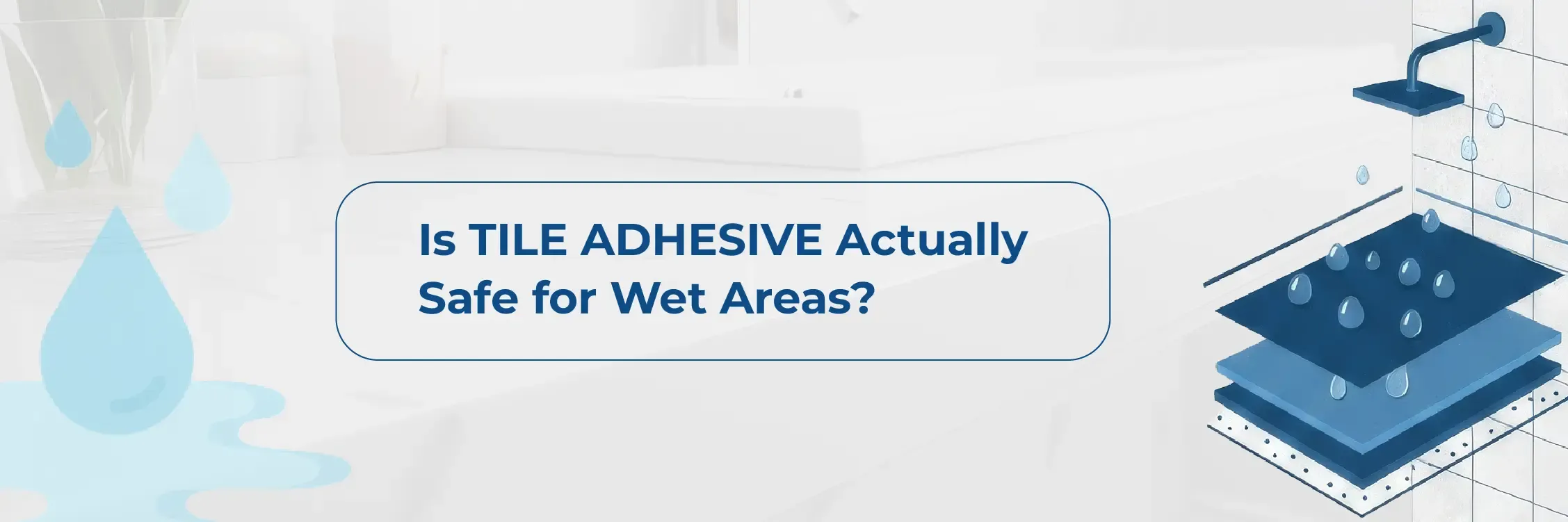
Is Tile Adhesive Actually Safe for Wet Areas?
The short and honest answer
Tile adhesive is made to hold tiles strongly. Modern tile adhesives like cx2 and VX-1 - Type 2T Tile Adhesive are much better than old cement methods. They give better bonding or grip, especially in areas where water is used daily.
Tile adhesive works well in bathrooms because it spreads evenly and reduces empty spaces under tiles. Fewer gaps mean less water movement under the tile surface.
In simple words, tile adhesive is safe because:
It holds tiles firmly to the base
It reduces weak spots under tile
It performs better in regular water use
But safety depends on correct application, not just material quality.
Common Mistakes Seen in Indian Bathrooms
Small errors that cause big problems
Many bathroom tile issues are not material problems. They are work process problems. These mistakes happen very often on sites.
Most common mistakes include:
Fixing tiles on damp or wet surfaces
Walking on tiles too early
Grouting before adhesive sets properly
When this happens, tiles may look fine for some time. Problems usually appear after a few months, not immediately.
Wet areas never forgive shortcuts.
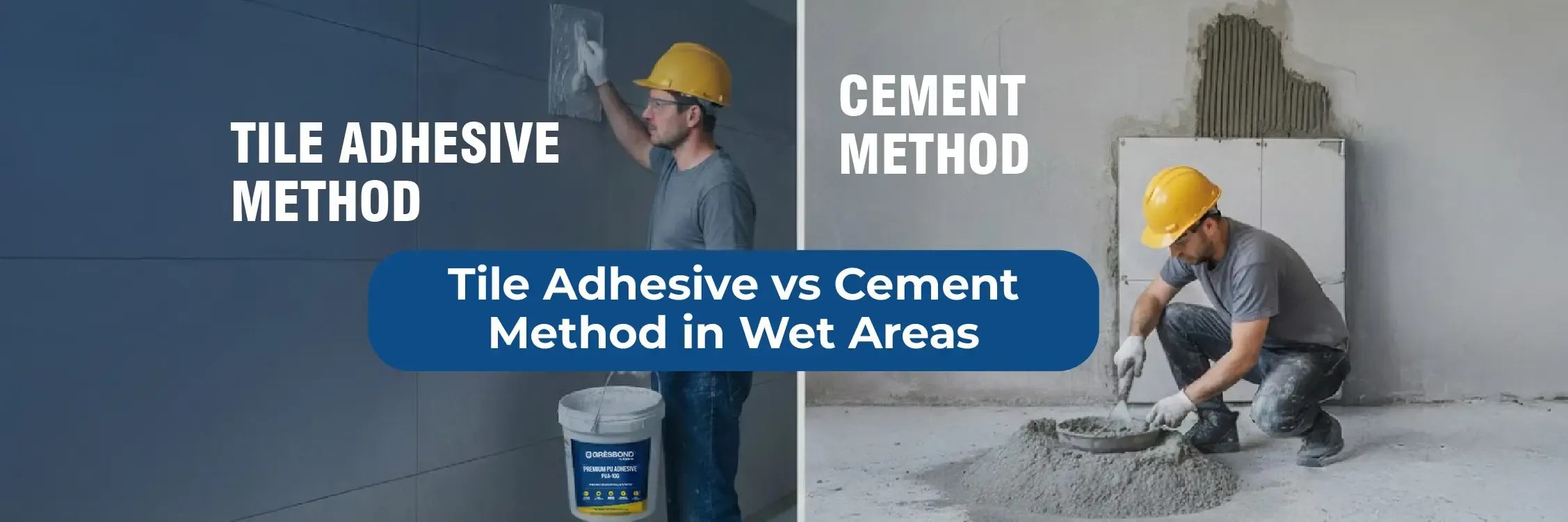
Tile Adhesive vs Cement Method in Wet Areas
Why adhesive is the better choice
Earlier, cement and sand were used everywhere. But cement absorbs water. Over time, this reduces strength in wet areas like bathrooms.
Tile adhesive is different. It is designed to handle moisture better. It sticks tiles evenly and stays stable even with daily water exposure.
This is why tile adhesive is now preferred for:
Bathrooms and toilets
Kitchen floors and walls
Balconies and utility areas
When applied correctly, adhesive gives better long-term performance.
Why Grout Is Just as Important
Adhesive alone cannot do everything
Tile adhesive holds the tile. Grout protects the gaps. In bathrooms, grout plays a very important role.
If grout cracks or is applied badly, water enters through joints. Slowly, this water reaches the adhesive layer and weakens it.
Using quality grout like ke100 helps tiles stay safe by sealing the joints and reducing water entry.
Both adhesive and grout must work together.
Simple Site Habits That Make Bathroom Tiles Strong
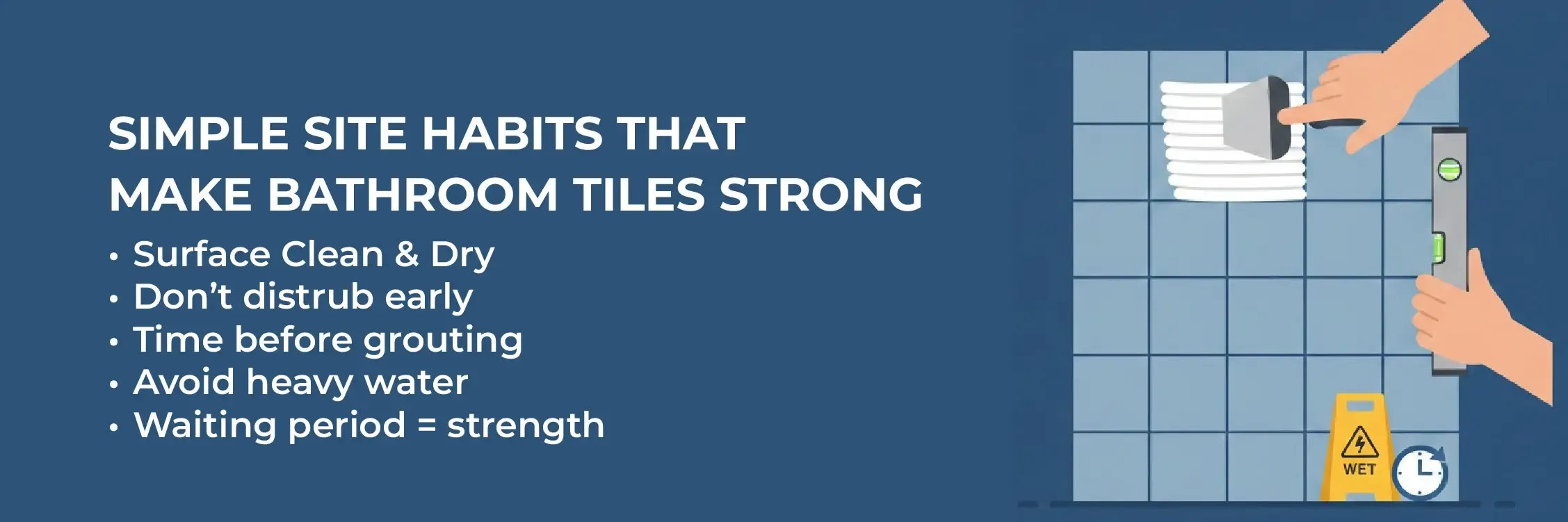
Good bathroom tiling does not need complicated tools. It needs discipline. Surface must be clean and dry. Mixing should be done properly. Tiles should not be disturbed early.
Using tools like Tile Spacers helps maintain correct gaps and alignment.
Give enough time before grouting. After grouting, avoid heavy water use for some time. This waiting period helps the system gain strength naturally.
Fast work often leads to early failure. Slow and careful work lasts longer.
What Happens After Years of Use
Long-term safety in real homes
When tile adhesive is used the right way, bathrooms stay trouble-free for years. Daily water, cleaning, and humidity do not affect the tiles much.
Problems usually come only when:
Grout joints are damaged
Tiles were fixed on damp surfaces
Proper curing time was ignored
With correct steps, tile adhesive is fully safe for Indian wet areas.
Conclusion: Yes, Tile Adhesive Is Safe - When Used Correctly
Tile adhesive is safe for bathrooms and wet areas, but safety comes from the process, not just the product. Clean surface, correct mixing, proper curing, and good grouting are the real keys.
Bathrooms deal with water every day. They need attention, not speed. When tile adhesive and grout are used with care, tiles remain strong, clean & fixed for long time.
Good tiling is not about finishing fast. It is about doing things right.
Frequently Asked Questions
Yes, provided you use a product rated for wet areas and apply it properly. Gresbond CX-1 and CX-2 are made for ceramic tiles in interior dry and wet areas, and VX-1 covers vitrified tiles, showers and even swimming pools. Safety comes from the combination of the right product and correct application.
Sand-cement is porous, absorbs water and shrinks as it dries, so it loses grip over time in a space that is wet every day. A polymer-modified adhesive spreads into a full, even bed with fewer voids for water to travel through, and it holds its bond under constant moisture.
Fixing tiles onto a damp or dusty screed, skipping waterproofing at floor and wall junctions, grouting before the adhesive has set, and using the shower within a day or two of finishing. None of these show immediately; they surface months later as hollow tiles and open joints.
Just as much. The adhesive holds the tile, the grout seals the gap between tiles. If the joints crack or are poorly filled, water gets straight through to the adhesive bed. An epoxy grout such as Gresbond KE-100 is non-porous and keeps bathroom joints watertight and hygienic.
Let the adhesive set before grouting, usually around 24 hours unless the data sheet says otherwise, then give the grout its own curing time before heavy water use. Rushing the shower back into service is one of the quickest ways to weaken a new installation.
Still have questions? Contact our technical team