What Is Grouting? Meaning, Types and Tile Grouting Process
Gresbond by Kajaria Editorial Team
October 24, 2024
A practical guide to grouting tiles: what it means, why it is required, which grout suits your joints and how to apply it.
Most tile complaints that reach a contractor a year after handover are not about the tile. They are about the lines between the tiles: joints that have turned black in the shower, crumbled beside the kitchen sink or cracked along a doorway. Grouting is the step that decides how those lines behave. It is also the step most often rushed, done with whatever powder is on site, mixed by eye and wiped off before it has set. Done properly, it seals the joints, protects tile edges and leaves a clean surface that is easy to maintain. Done badly, it lets water and dirt into the joints and turns a good tile job into a repair job. Below, you will find what it means, why it is required, the main types of grout, how to choose one by joint width and room, and the tile grouting process to follow on site.

Grouting is an important part of tile installation that gives the finished surface a clean appearance while protecting the joints between tiles. Whether you are installing tiles in a bathroom, kitchen, living area or commercial space, properly filled tile joints can help prevent moisture and dirt from entering the gaps and make the surface easier to maintain.
But what exactly is grouting, why is grout used between tiles, and is grouting necessary for every tile installation? Understanding the purpose of tile grout can help you choose the right grout and achieve a more durable, neat and long-lasting finish.
What is Grouting in Tiles?
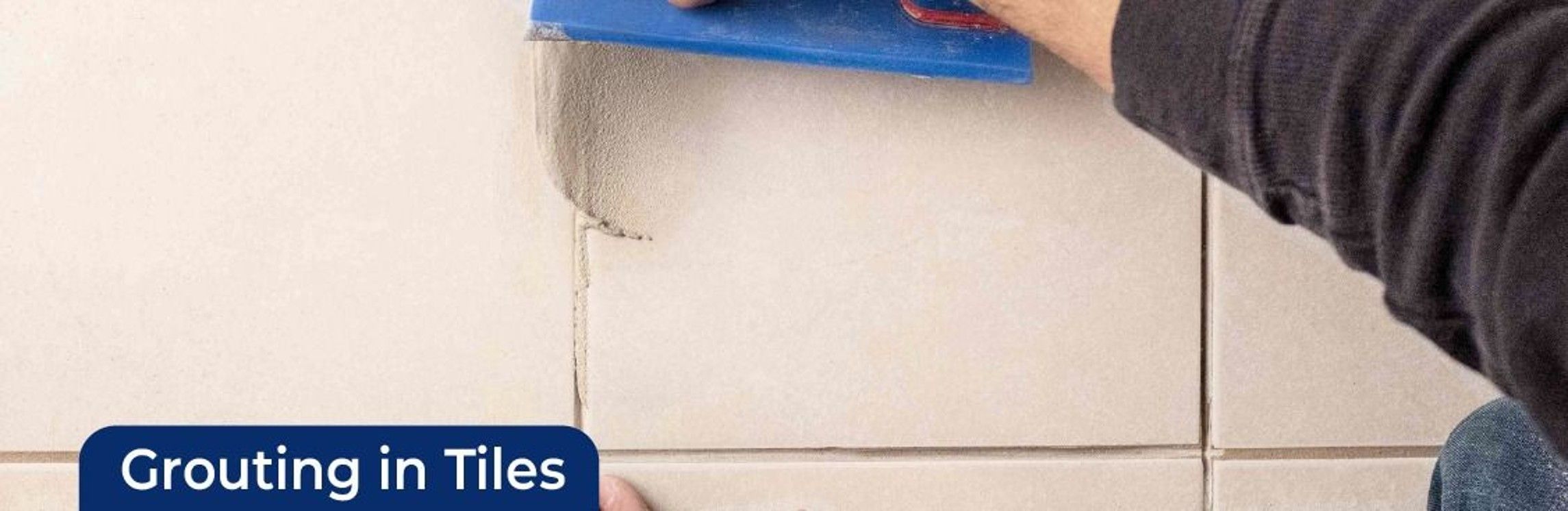
Grouting is the process of filling the joints or gaps between installed tiles with grout. The grout is worked into the spaces between the tiles and then finished to create a consistent joint.
The spaces between tiles are known as grout joints. These joints are an important part of a tiled surface because they accommodate the small spaces between individual tiles and help protect the edges of the tiles.
Tile grout can be made from different materials, including cement-based and epoxy formulations. The right choice depends on factors such as the tile type, joint width, location, moisture exposure, cleaning requirements and expected use of the area.
The role of grout is different from that of tile adhesive. Tile adhesive bonds tiles to the substrate, while grout is primarily used to fill and protect the joints between tiles. See the Gresbond tile adhesives range for more information.Gresbond tile adhesives
Why Is Grouting Required for Tiles?
Grouting is not simply about making tiles look better. Properly selected and applied grout performs several important functions.
1. Protects the Joints Between Tiles
Open gaps between tiles can collect dust, dirt and moisture. Grout fills these spaces and creates a finished joint that is easier to clean and maintain. This is particularly important in areas where the tiled surface is regularly exposed to water, spills or heavy use.
2. Helps Reduce Moisture Infiltration
One of the important uses of grout is to help reduce the entry of water and moisture through tile joints. This makes proper grouting especially important in bathrooms, kitchens and other moisture-prone areas. The correct grout, combined with appropriate installation and substrate preparation, can help protect the area beneath the tiled surface. However, grout should not be considered a substitute for a properly designed waterproofing system where waterproofing is required.
3. Protects Tile Edges
The edges of tiles are more exposed where there are open joints between them. Properly filled grout joints help protect these edges during everyday use and cleaning. This can be particularly useful on floors and other surfaces that experience regular foot traffic.
4. Creates a Clean and Finished Appearance
Tile grouting has a major visual role in an installation. A consistent grout joint can make the tile layout look more uniform and professionally finished. Depending on the product and application, grout may also be available in different colours to complement or contrast with the tiles.
5. Makes the Tiled Surface Easier to Maintain
Filled grout joints are easier to clean than open spaces between tiles. Properly selected grout can help reduce the accumulation of dirt and debris and support easier routine maintenance. For kitchens, bathrooms and other frequently cleaned areas, choosing grout according to the installation requirements is particularly important.
What Is the Purpose of Grout Between Tiles?
The main purpose of grout between tiles is to fill and finish the joints created during tile installation.
You can also explore Gresbond grout solutions for different tile joint applications.
· Fill the spaces between tiles
· Protect tile edges
· Reduce the entry of dirt and moisture into joints
· Improve the finished appearance
· Make the tiled surface easier to clean
· Support a more durable and finished tile installation
The grout does not replace the tile adhesive underneath the tiles. Instead, grout and tile adhesive perform different roles within the overall tile installation system.
Importance of Grouting Tiles
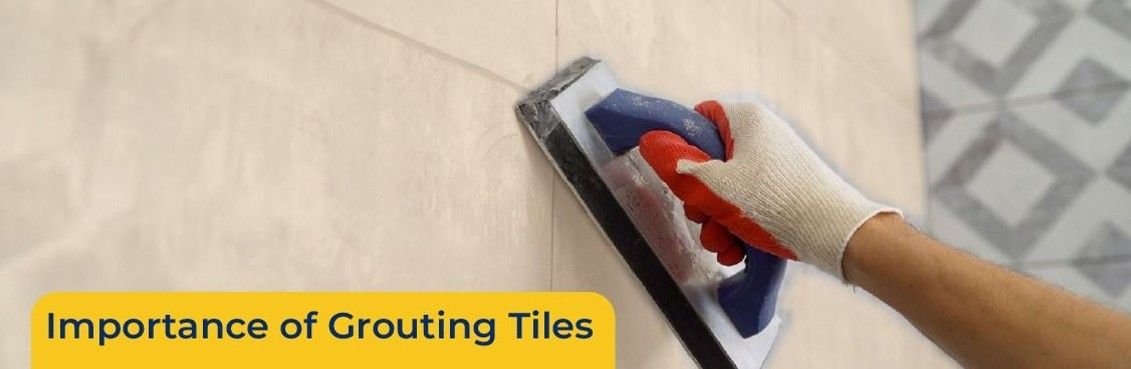
Proper grouting helps complete a tile installation by filling and protecting the joints between tiles. It can help reduce the entry of dirt and moisture, protect exposed tile edges, improve the appearance of the surface and make routine cleaning easier. The performance of the finished joints depends on selecting a grout suitable for the tile, joint width and installation environment.
Applications of Grouting in Construction

Proper grouting involves more than simply filling the gaps between tiles. The surface and joints should be prepared correctly before application.
Step 1: Check the Tile Installation
Make sure the tile adhesive has reached the required setting stage before grouting. The joints should be suitable for filling and free from loose material.
Step 2: Clean the Joints
Remove dust, debris and unwanted material from the joints. Clean joints help provide a better and more consistent grout finish.
Step 3: Prepare the Grout
Mix or prepare the grout according to the manufacturer's instructions. Follow the specified water or component ratio and mixing procedure rather than adding material or water by guesswork.
Step 4: Apply the Grout
Use a suitable grout float or recommended application tool to work the grout into the joints. Apply it thoroughly so the joints are properly filled.
Step 5: Remove Excess Grout
Remove excess material from the tile surface using the recommended method for the selected grout. Take care not to remove grout from the joints while cleaning the surface.
Step 6: Allow Proper Setting and Curing
Allow the grout to set and cure according to the manufacturer's instructions. Avoid premature exposure to water, traffic or cleaning where the product requires a protected curing period.
Common Grouting Mistakes to Avoid
Using the Wrong Grout
Not every grout is suitable for every tile, joint width or application. Always check the product's recommended use.
Ignoring Joint Width
Grout products have specified joint-width ranges. Choosing a product without checking this requirement can lead to application problems.
Applying Grout on an Unprepared Surface
Dust, debris or unsuitable material in the joints can affect the final finish. Proper preparation is an important part of grouting.
Adding Too Much Water
Incorrect mixing can affect grout consistency and final performance. Follow the manufacturer's specified mixing instructions.
Cleaning Too Early
Aggressive or premature cleaning can disturb newly applied grout. Follow the recommended cleaning and curing procedure for the selected product.
Treating Grout as Tile Adhesive
Grout fills the joints between tiles; it is not a replacement for the adhesive used to bond tiles to the substrate.
Does Grout Help Hold Tiles in Place?
Grout helps support and protect the joints around tiles, but it should not be considered the primary material that bonds tiles to the substrate.
Tile adhesive is responsible for bonding the tile to the prepared surface. Grout is applied after the tiles are installed to fill and finish the joints between them. For more guidance, see the Gresbond tile laying instructions.Gresbond tile laying instructions
A successful tile installation therefore depends on using the appropriate adhesive, correct tile installation methods and suitable grout as part of the overall system.
Grouting in Construction: Where Is It Used?
· Bathroom wall and floor tiles
· Kitchen wall and floor tiles
· Residential floor tiles
· Commercial flooring
· Ceramic tile installations
· Vitrified tile installations
· Natural stone applications
· Marble tile installations
· Interior tiled walls
· Suitable exterior tile applications
The appropriate grout should always be selected according to the specific tile, joint and environmental conditions.
How to Choose the Right Tile Grout
What type of tile are you using? Ceramic, vitrified, marble, natural stone and other tiles may have different installation requirements.
How wide are the joints? Check the recommended joint-width range of the grout.
Where will the tiles be installed? Bathrooms, kitchens, floors, walls and commercial areas can have different performance requirements.
How much moisture or cleaning will the area receive? Wet or frequently cleaned areas may require grout with suitable resistance characteristics.
What finish do you want? Colour and finish can influence the overall appearance of the tiled surface.
For project-specific options, explore the Gresbond grout range and select a product according to the tile, joint width and installation environment.Gresbond grout range
Why Proper Grouting Matters in Tile Installation
Grouting is an important part of completing a tile installation. It fills the joints, protects tile edges, helps reduce the entry of dirt and moisture, improves the appearance of the tiled surface and supports easier maintenance.
The best results come from treating grouting as part of the complete installation process rather than as a final decorative step. Correct tile preparation, suitable tile adhesive, appropriate grout selection, proper joint preparation and careful application all contribute to the finished result.
For projects that require specific performance, always refer to the technical information and application instructions provided for the selected grout.
Frequently Asked Questions
Tile grouting is the process of filling the joints or gaps between installed tiles with a suitable grout.
Grout is primarily used to fill and protect the joints between tiles, improve the finished appearance and support easier cleaning and maintenance.
Grouting fills tile joints, helps protect tile edges, reduces the entry of dirt and moisture into joints, and gives the installation a finished appearance.
Grouting is generally an important part of completing tiled surfaces with joints. The appropriate grout and application method depend on the tile, joint width and installation conditions.
Tile adhesive bonds tiles to the substrate, while grout fills and protects the joints between installed tiles. They perform different functions.
The suitable grout depends on the tile, joint width, moisture exposure, cleaning requirements and product recommendations for the bathroom application.
Yes. Grout is commonly used for floor tile joints, provided the selected product is suitable for the tile, joint width and expected use of the floor.
Still have questions? Contact our technical team