Flexural Strength Test: How Gresbond by Kajaria Keeps Tiles Strong
gresbond
May 5, 2026
Tiles make homes, offices, and commercial spaces look clean and attractive. They add style and value to any area. But tiles alone are not enough. What truly holds them in place is the adhesive underneath. If the adhesive is weak, tiles may crack, shift, or even come off after some time. That is why the strength of tile adhesive is very important for long-lasting results. One important type of strength is called flexural strength. It may sound technical, but the idea is simple. At Gresbond by Kajaria, this strength is carefully tested before the product reaches customers. This testing helps make sure that tiles stay fixed properly for many years without problems.
What Is Flexural Strength?
Flexural strength means how well a material can bend without breaking. Floors and walls are not completely still. Over time, buildings settle slightly. Temperature changes cause materials to expand and shrink. Daily foot traffic and heavy furniture also create pressure. All these factors create bending force on tiled surfaces. Even small movements can affect the bond between tile and surface. If the adhesive is weak, it cannot handle this bending pressure. As a result, tiles may crack, edges may lift, or tiles may loosen. This leads to repair work and extra cost. But if the adhesive has good flexural strength, it can adjust to small movements. It can bend slightly without breaking. This keeps the tiles firmly attached and helps maintain a smooth, level surface. In simple words, flexural strength ensures that the adhesive is not only strong but also slightly flexible. This balance helps tiles remain secure, safe, and long-lasting in real-life conditions.
Why Is It Important?
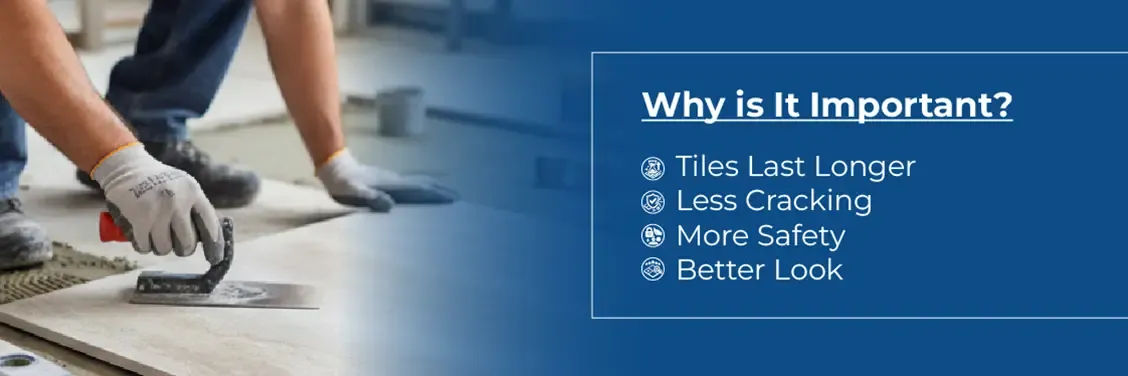
Sticking tiles is not just about the first day. The real test is how they perform after many years. Here is why flexural strength matters:
1. Tiles Last Longer
In kitchens, bathrooms, offices, and shops, tiles face daily use. Strong adhesive helps them stay firm.
2. Less Cracking
Heat, cold, and small building movements create stress. Good adhesive reduces cracks.
3. More Safety
Loose tiles can cause accidents. Strong bonding keeps tiles secure.
4. Better Look
Weak adhesive can make tiles uneven over time. Strong adhesive keeps surfaces smooth.
How Is It Tested?
At Gresbond by Kajaria, every adhesive is checked before it reaches the market. The company does not sell products without proper testing. In the flexural strength test, the adhesive is put under pressure to see how much bending it can take without breaking. This test shows whether the product can handle real site conditions. If the adhesive stays strong during the test, it is approved. If not, it is rejected. This simple but important step makes sure customers get a product that is reliable, durable, and ready for everyday use on floors and walls.
Why Choose Gresbond by Kajaria?
Gresbond adhesives are made with quality materials. They are designed to give strong bonding and long life.
They:
Handle small movements without breaking
Work with ceramic, porcelain, vitrified, and stone tiles
Can be used on floors and walls
Reduce future repair costs
Are trusted by builders and designers
Simple Benefits for You
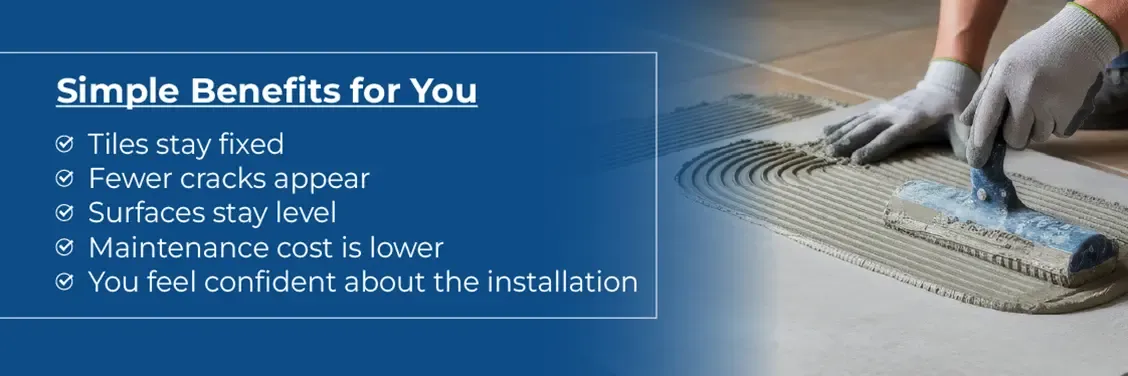
When you choose adhesive with good flexural strength:
Tiles stay fixed
Fewer cracks appear
Surfaces stay level
Maintenance cost is lower
You feel confident about the installation
Final Words
Flexural strength testing is an important step to make sure tile adhesive is strong and dependable. It checks whether the adhesive can handle bending and small movements without breaking. At Gresbond by Kajaria, this test is done carefully to ensure every product gives long-lasting support. Strong adhesive keeps tiles firmly fixed on floors and walls, even when there is daily use or temperature change. It reduces the chances of cracks, lifting, or damage over time. When you choose the right adhesive, you protect your tiles and your investment. Good adhesive strength means better safety, better finish, and peace of mind for many years.