Ultimate Guide to Cordless Tile Vibrators for Floor Installation
gresbond
April 15, 2025
Everything you need to know about the Gresbond cordless tile vibrator: how it settles tiles into the adhesive bed, why it matters for large-format tiles, a step-by-step method, where it is used and how to look after the tool.
Installing floor tiles is both an art and a science. Precision, accuracy, and proper technique ensure the durability and finish of your flooring. One of the most revolutionary tools in modern tiling is the cordless tile vibrator—a game-changer for both DIY enthusiasts and professionals.
This ultimate guide, brought to you by Gresbond by Kajaria, explains everything you need to know about using a cordless tile vibrator—from its benefits and working mechanism to how it compares with traditional tile-laying methods. Whether you're working on a home improvement project or a large-scale renovation, understanding the floor tile vibration machine can save you time, effort, and money.
What is a Cordless Tile Vibrator?
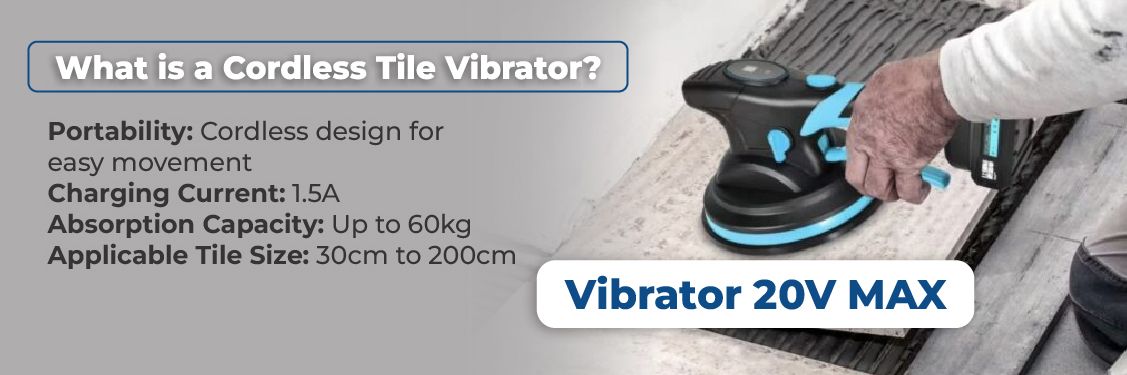
A wireless tile vibrator is a handheld power tool that vibrates the tiles once they are laid over the adhesive. This tool negates any possible damage to tiles while ensuring their bonding and leveling. It will be particularly useful for tile materials in large format since these are prone to the formation of hollow spots if laid improperly.
Key Features and Specifications
Portability: Cordless design for easy movement
Charging Current: 1.5A
Absorption Capacity: Up to 60kg
Applicable Tile Size: 30cm to 200cm
Included Items:
Vibrator Machine
Hard Carrying Case
2 Batteries
Charger
Manual
Advantages of Using a Cordless Tile Vibrator
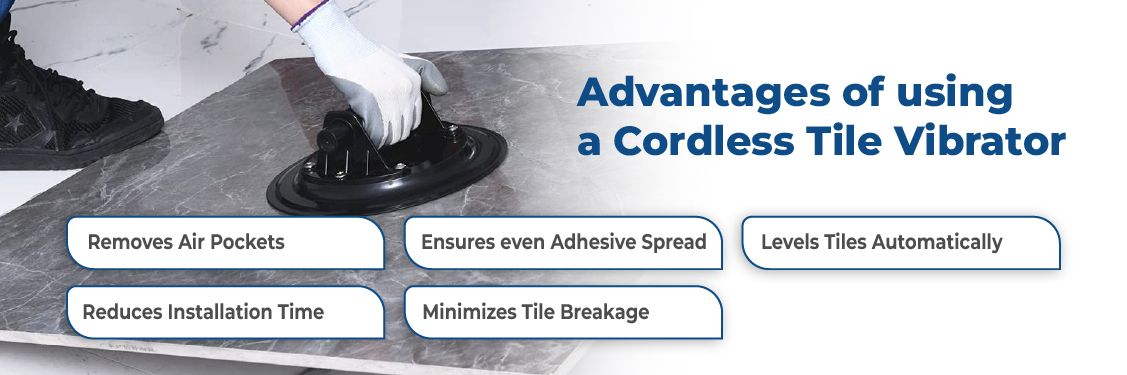
Removes Air Pockets
Ensures Even Adhesive Spread
Levels Tiles Automatically
Reduces Installation Time
Minimizes Tile Breakage
Step-by-Step Guide to Using a Cordless Tile Vibrator
Slake the Material
Apply Adhesive with a Notched Trowel
Place the Tile
Repeat for All Tiles
When You Use a Cordless Tile Vibrator vs. When You Don’t
With: Enhanced adhesion, faster installation, no air pockets
Without: Poor bonding, uneven tiles, more breakage
Applications

Residential Flooring
Commercial Projects
Outdoor Installations
Renovation Work
Maintenance Tips
Keep Batteries Charged and Stored Properly
Clean After Every Use
Check for Loose Parts
Lubricate Moving Parts Occasionally
Store in the Hard Case Provided
Why Choose a Cordless Tile Vibrator Over Traditional Methods?
A cordless tile vibrator...this would be the indispensable addition to your tiling toolkit. If you are the homeowner upgrading your house or the contractor providing perfect floors to clients, this particular tile vibration machine brings velocity, precision, and reliability to every single tile installation. With PVC buildings built on the bits of vibration, wire-free design, and the lightweight handling of this tool, one application of tile will be all it takes to do proper association of the tiles—thus avoiding costly repairs and reworking. You can get in touch to learn how this tool fits your next tiling project. Put another way, a good dust floor tile vibrator means smooth surfaces, long-lasting installation, and obviously satisfying results.
Conclusion
A cordless tile vibrator is an essential addition to your tiling toolkit. Whether you're a homeowner or a contractor, it offers speed, precision, and long-term value in every tile laid.
Frequently Asked Questions
It sends fine vibrations through the tile after it is placed on the adhesive, which collapses the trowel ridges, pushes out trapped air and settles the tile into a full, even bed. That is what removes hollow spots and levels the tile without hammering it with a mallet.
It makes a real difference. Large tiles and slabs are hard to bed fully by hand, and a small void under a big tile is enough to cause a hollow sound or a crack later. Pair the vibrator with a deformable adhesive such as Gresbond LX-7 S1 or LX-7 Super Flex S2 for the best result.
Spread the adhesive with a notched trowel and back-butter the tile, place it in position, then run the vibrator across the face of the tile in overlapping passes from the centre outwards. Check the tile is level with its neighbours, wipe off any adhesive squeezed out of the joint, and move on before the adhesive skins over.
Used correctly, no. It applies gentle, controlled vibration rather than impact, so it is safer for large tiles than a mallet. Keep the tool moving, do not hold it in one spot for long, and use it while the adhesive is still fresh so the bed can flow rather than tear.
Wipe adhesive off the base after every job before it cures, keep the batteries charged and stored dry, check that the fixings are tight before use, and keep the tool in its hard case between jobs. A quick check of the moving parts every few jobs keeps it running smoothly.
Still have questions? Contact our technical team