Fixing Tiles on Plywood, Metal and Drywall Surfaces
Gresbond by Kajaria Editorial Team
November 10, 2026
Ordinary cement-based tile adhesive is a poor fit for plywood, metal and drywall, which is why tiles on these surfaces come loose. This guide covers why, which adhesive type works instead, and how to prepare each surface before fixing tiles.
Some surfaces defeat cement-based tile adhesive, and plywood is the one that surprises people most. A tile fixed to plywood with ordinary adhesive looks fine on the day. Then the board flexes underfoot, or takes up a little moisture and moves, and the rigid cement bed cracks away from it. The tile comes loose. Metal and drywall fail for related reasons. Each has its own trap.
The problem is not the workmanship. It is that cement-based adhesive was never designed for these surfaces. Fixing tiles on plywood, metal or drywall needs a different chemistry. Cement bonds by gripping into a porous mineral surface, and these three offer little of that. This guide explains why these substrates are difficult, which adhesive works instead, and how to prepare each one so the tile holds.
Key Takeaways
- Cement adhesive grips into pores. Plywood and metal offer few, and drywall is porous but soft.
- Plywood flexes and moves with moisture, which cracks a rigid cement bed.
- A two-component polyurethane adhesive is designed for these surfaces.
- Metal must be clean and rust-free before any adhesive goes on.
- Drywall only suits dry areas, never a wet wall, unless properly built up.
- The adhesive ratio is fixed. Changing it stops the product hardening correctly.
- Keep all foot traffic off for the stated curing period after fixing.
Why fixing tiles on plywood defeats cement adhesive
Cement-based adhesive forms its bond by gripping into a porous mineral surface. A concrete slab, a cement render, a brick wall, all give it something to key into. Plywood, metal and drywall give it little, and each fails in its own way. Plywood is the worst offender.
Fixing tiles on plywood is the classic case. Two problems stack up. First, a sealed or resin-faced ply is not porous, so the cement has nothing to grip. Second, and worse, plywood moves. It flexes under load and swells or shrinks slightly with changes in moisture. A rigid cement bed cannot follow that movement, so it cracks away and the tile debonds. Our guide on why tiles fall off covers the mechanism in detail.
Metal is non-porous and smooth. Cement simply slides off. There is no key at all. Drywall and gypsum board are porous but soft and moisture-sensitive, so while adhesive can grip, the board itself is the weak point, especially anywhere near water.
The adhesive for fixing tiles on plywood and metal
Where cement chemistry struggles, a polyurethane adhesive is designed to work. It does not rely on gripping into pores. For fixing tiles on plywood, metal or drywall, that is the whole difference. It bonds chemically to difficult, non-absorbent surfaces instead.
PUA-100 is the two-component polyurethane adhesive in the Gresbond range, designed to fix tiles and stones on different substrates such as metal, plywood, drywall and concrete. Its suitable surfaces also include cement plaster, brick masonry, fibre cement boards, precast concrete, ceramic and vitrified tiles, natural stone, and, for dry areas, gypsum wallboard and calcium silicate boards. That is a wide range. It is rated for interior and exterior floors and walls.
Because it is a two-part product, the mix matters. Pour Part B into Part A. Mix to a uniform white paste with a slow-speed drill at 50 to 100 rpm. Then let it stand for five minutes before use. The ratio between the two parts is fixed, and changing it causes the product to harden incorrectly. Mix only what you can use within the working time. Waste is cheaper than a failed bond.
How to prepare plywood before fixing tiles
Preparation decides whether the bond holds. Do not rush it. For fixing tiles on plywood, it needs the most care of the three.
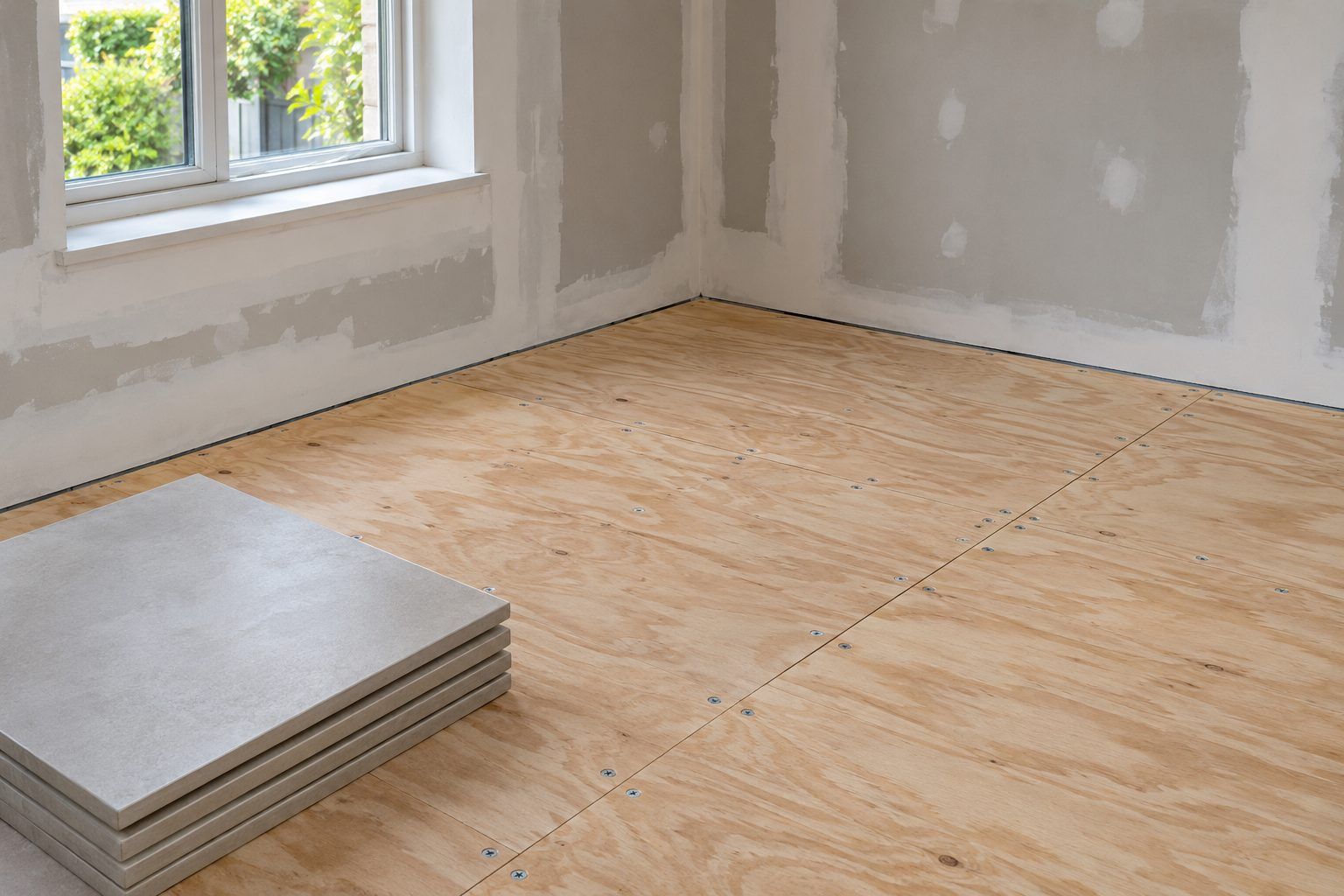
The board has to be rigid first. A floor that flexes underfoot will stress any tile, however good the adhesive, so follow the board maker’s and installer’s guidance on thickness and fixing, and leave no spring in it. Movement is the enemy here. A flexible adhesive matters, but a solid base matters more.
The surface must be clean and dry. It must be free of anything that stops a bond, such as dust, oil or a sealer film. And expansion gaps in the board should not be bridged solid with tile and adhesive, because expansion joints should never be covered over. Plan where the board moves and respect it.
Fixing tiles on metal and drywall: surface prep
Metal and drywall each have one critical prep step that people skip.
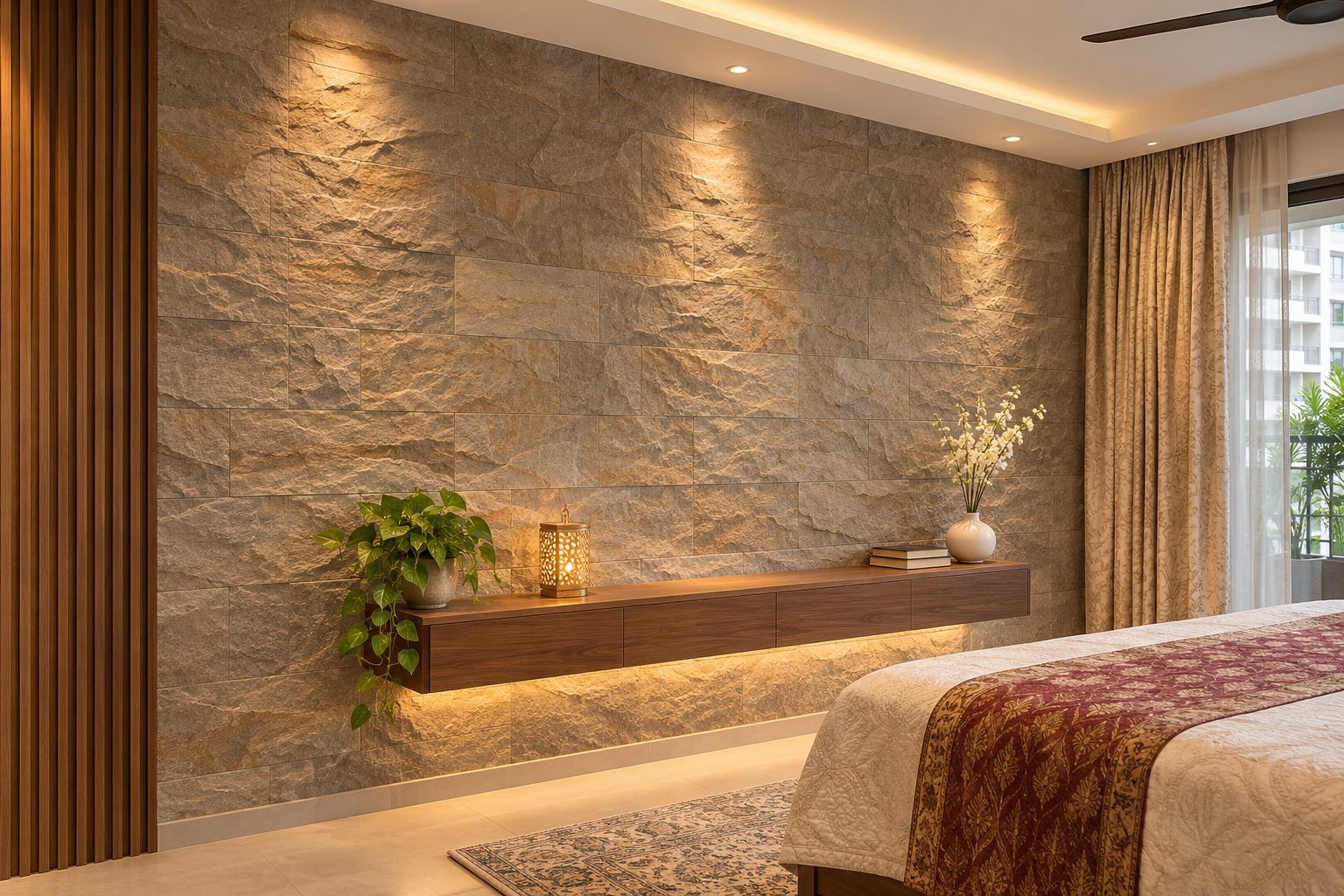
For metal, it is cleanliness and rust. The surface has to be clean and sound, and rust on iron has to be removed by sandblasting. Adhesive bonded over rust is bonded to a layer that is already lifting away. That never lasts.
For drywall and gypsum board, it is location. The board is suitable for dry areas, so a feature wall in a bedroom or a dry hallway is fine. A shower wall or a splash zone is not, because the board behind the tile stays vulnerable to moisture even when the tile and adhesive are sound. Keep gypsum board to dry locations. Treat wet walls as a different problem, one that needs a proper waterproofed substrate.
On any fresh concrete nearby, the slab should be damp-cured and at least 28 days old before tiling. Our guide on tiling on concrete covers why.
After fixing tiles on plywood: curing and movement
The last stretch is the same discipline as any tiling job, with one extra note for these surfaces.
Keep all foot traffic off the area completely during curing, which can take up to 24 hours. A tile nudged while the bond is still forming is even less forgiving here than on concrete. There is no mechanical key holding it in the meantime.
Then respect the movement that made these surfaces difficult in the first place. It never stops. Plywood will keep flexing and expanding slightly for its whole life, so movement joints and perimeter gaps are not optional here. A polyurethane adhesive handles small movement within the bed, but it is not a substitute for designing the movement joints in.
Quick checklist for difficult substrates
- Is the surface plywood, metal or drywall? Check that the adhesive is approved for it.
- Is the base rigid, with no flex underfoot?
- Is it clean, dry and free of oil, dust or sealer?
- On metal, has all rust been removed?
- Is drywall limited to a truly dry area?
- Are you mixing the two parts at the fixed ratio, unchanged?
- Can you keep traffic off for the full curing period?
Frequently Asked Questions
Not reliably. Cement-based adhesive grips into pores, and sealed plywood has few, while the board flexes and moves with moisture and cracks a rigid bed. A two-component polyurethane adhesive such as PUA-100 is made for this.
Usually the board flexed or moved, and the rigid adhesive bed could not follow it. Sometimes the surface was simply too smooth for cement to grip. A flexible polyurethane adhesive and a rigid, well-fixed base together solve it.
A two-component polyurethane adhesive, because it bonds chemically rather than gripping into pores. The metal must be clean and sound first, and rust on iron has to be removed by sandblasting before the adhesive goes on.
Only in dry areas. PUA-100 lists gypsum wallboard among its substrates for dry areas. A wet wall such as a shower needs a proper waterproofed substrate instead, because the board stays vulnerable to moisture behind the tile.
No. The ratio between the two parts of a polyurethane adhesive is fixed, and changing it causes the product to harden incorrectly. Mix the parts as stated and only as much as you can use in the working time.
Yes. Plywood keeps flexing and moving slightly for its whole life, so movement joints and perimeter gaps are essential. A flexible adhesive helps with small movement but does not replace properly planned joints.
Still have questions? Contact our technical team