Best Epoxy Grout for Floor & Wall Tiles: How to Choose & Apply
Gresbond by Kajaria Editorial Team
March 6, 2025
A practical guide to epoxy grout for floor and wall tiles: what it is, why it suits bathrooms and kitchens, how to choose the right one, and how to apply Gresbond KE-100 for stain-free, waterproof joints.
Epoxy grout is one of the most durable, waterproof, and stain-resistant materials for filling joints between tiles, making it ideal for both floor and wall tiles. Whether you're installing tiles in your bathroom, kitchen, or living room, choosing the right epoxy grout for tiles ensures that your installations are secure, long-lasting, and resistant to water damage. In this guide, we’ll dive into everything you need to know about epoxy grout for bathroom tiles, the best epoxy grout options available, and how to use tile joint filler epoxy effectively for flawless installations.
Everything You Need to Know About Epoxy Grout for Tile Floors and Walls
Epoxy grout is an unmatched option if the perfection of its seal at tile installation is to be considered. The qualities of excellent water resistance, durability, and stain proofing set apart epoxy grout for tiles from traditional grouts. Whether on wall tiles or floor tiles, the right epoxy grout does magic to the life span and the aesthetic of the tiles. The present guide will provide all information necessary to understand and choose the best type of epoxy grout for tiles while also including installation and maintenance tips.
What is Epoxy Grout, and Why is it Best for Floor and Wall Tiles?
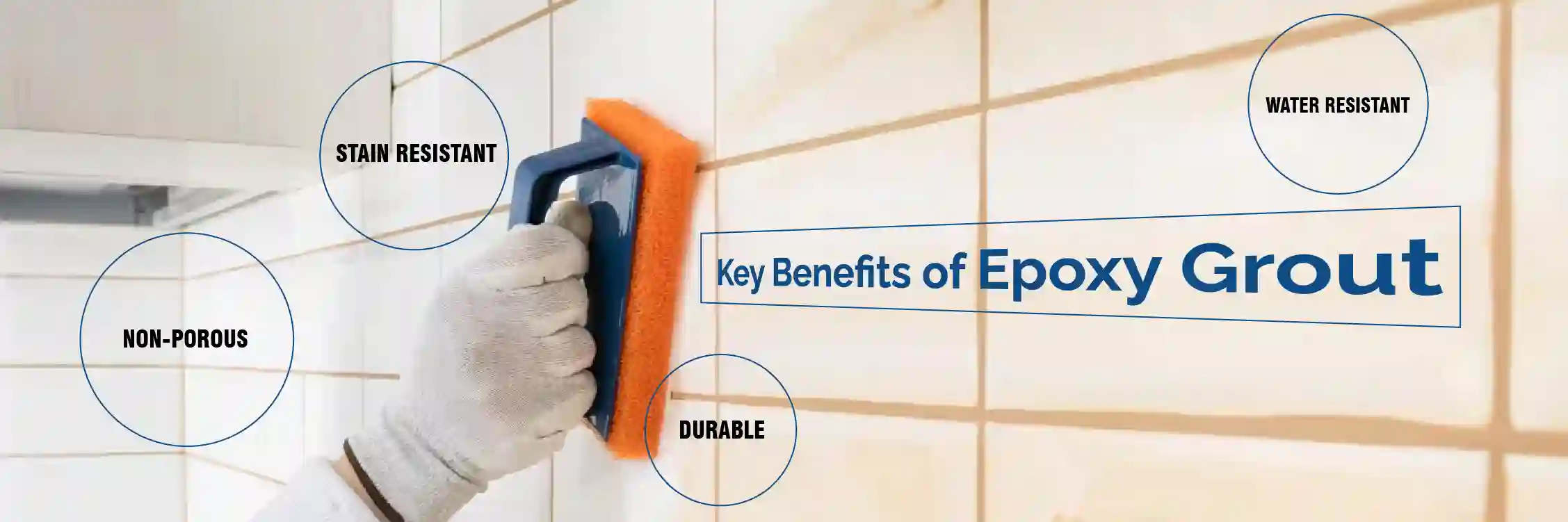
Epoxy grout for tiles specifies a grout in which the resin is combined with the hardener, causing a chemical reaction, thus rendering the grout very strong and water- and durability-wise. This is more commonly considered for use in areas like baths, kitchens, or commercial spaces, subject to more water and heavy traffic. Unlike cement-based grouts, it forms a hard, non-porous surface to prevent the passage of water and so can easily be used both for floor tiles and wall tiles installed in moisture-prone areas.
Key Benefits of Epoxy Grout:
Water Resistant: It is applicable in areas where moisture build-up occurs, like bathrooms and kitchens.
Stain Resistant: Dirt or oils do not penetrate it, which means that maintaining it becomes easier.
Durable: Cracking, shrinking, or fading is resisted, even in areas with high traffic.
Non-porous: Prevents mold and mildew growth, thus keeping tile joints hygienic and clean.
Why Epoxy Grout is the Best Choice for Bathroom Tile Installations
Epoxy grout is the ultimate in protection for bathroom tiles from moisture intrusion and staining. Bathrooms have constant exposure to water, and regular grout absorbs moisture and provides a medium for the development of mold and mildew. Epoxy joins create waterproof seals between tiles, preventing water from entering the joints.
Benefits of Using Epoxy Grout for Wall Tiles in the Bathroom:
Waterproofing: Ideal for preventing water from penetrating shower recesses, bathtubs, or sinks.
Low Maintenance: Washing is easy, and it does not stain with soaps and shampoos.
Hygienic: It helps in preventing the growth of molds and mildews, thus maintaining a cleaner environment.
Color Retention: The color of epoxy grout remains bright and does not fade even when exposed to moisture.
How to Choose the Best Epoxy Grout for Floor and Wall Tiles
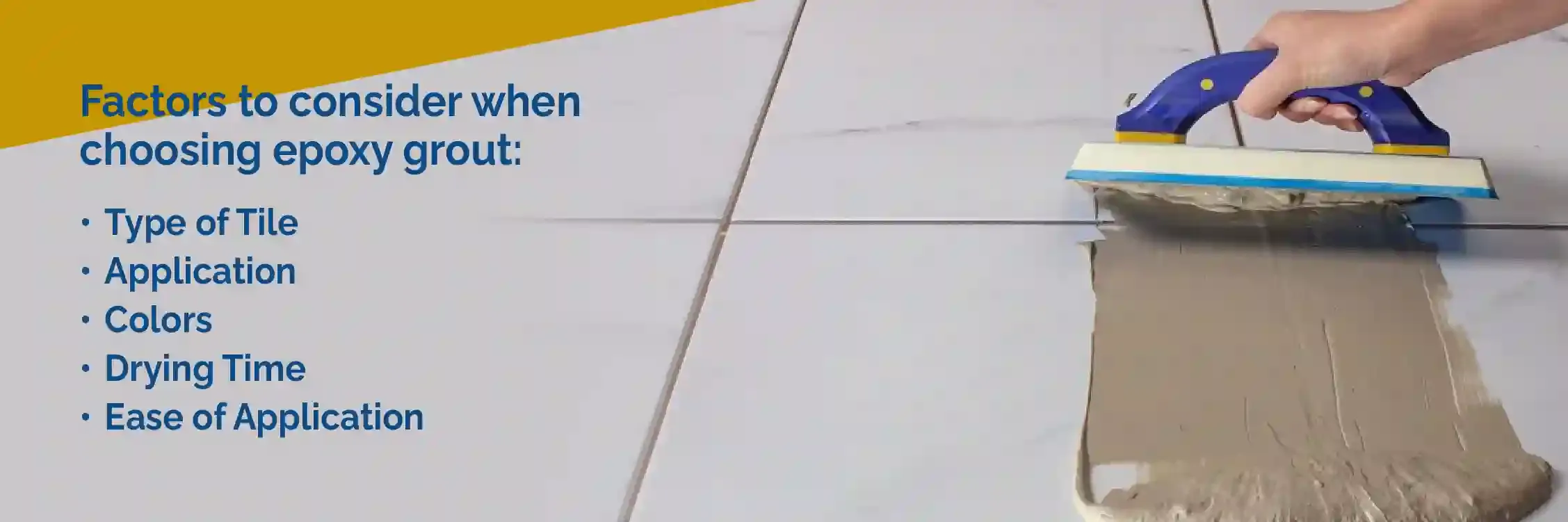
The determining factors of the best epoxy grout vary depending on the types of tiles, how an area is installed, and personal preference. Here is a checklist of things to ponder in choosing epoxy grout for tiles to select a fitting item for your projects:
Factors to consider when choosing epoxy grout:
Type of Tile: Different tiles, such as ceramic, porcelain, or even natural stone, may require certain types of epoxy grout.
Application: Floors will probably require a stronger grout compared to an easier grit for use in wall tiles.
Colors: It comes in many colors, so choose to enhance the tile design chosen.
Drying Time: Some epoxies dry faster than others, which therefore can be chosen according to the project schedule.
Ease of Application: Some products are more user-friendly than others, so ensure the grout is suitable for DIY installation if you’re not hiring a professional.
Step-by-step guide on how to apply epoxy grout for tiles
Applying epoxy grout for tiles is not all a rosy affair, but it can bring about professional results if one masters the right one for the job. Follow the steps on how to apply epoxy grout to floor tiles or wall tiles:
Step-By-Step Application Process:
Prepare the Surface: Tiles are installed properly, and joints are cleaned and dry.
Mix the Epoxy Grout: Mix the resin and hardener in the applicable ratio given by the manufacturer.
Apply the Grout: Apply it with a rubber float to tile joints, pushing in to fill all gaps. Remove any excess with a damp sponge, taking special care to avoid pulling grout from the joints.
Allow to Cure: Allow the cure of grout for the recommended time. Do not use the surface until the grout is fully set.
The Tile Joint Filler Epoxy - invaluable to Tile Application

Tile joint filler epoxy is a critical component during the installation of tiles. It's the sealant that brings tiles to a perfect finish and prevents water, dirt, and other things from getting stuck in between tiles.
Benefits of using tile joint filler epoxy:
Better Protection: Extra protection against moisture or stains.
Lifetime Seal: Keeps the tile joints permanently sealed and prevents cracks.
Aesthetic: Adds a good appearance to the tile installation.
Maintaining Epoxy Grout for Long-lasting Results
One of the key benefits of epoxy grout for tiles is its low-maintenance nature. Unlike traditional grout, which may need to be sealed regularly, epoxy grout does not require sealing.
Tips for Maintaining Epoxy Grout:
Regular Cleaning: Use a mild cleaning solution and a soft cloth to wipe down the grout lines.
Avoid Harsh Chemicals: Do not use acidic or abrasive cleaners that could damage the grout or tiles.
Inspect Periodically: Regularly check the grout for signs of wear, especially in high-traffic areas.
Conclusion
Epoxy grout for tiles is the ultimate solution for ensuring durable, long-lasting, and waterproof tile installations. Whether you're working on floor tiles, wall tiles, or bathroom tiles, epoxy grout offers superior performance, making it the best choice for professionals and DIYers.
Ready to start your tile installation project? Explore the best epoxy grout for tiles today and ensure that your floor and wall tiles are bonded with superior strength and durability. Contact us for the right epoxy grout solution for your home or commercial space!
Frequently Asked Questions
Gresbond KE-100 is a premium stain-resistant epoxy grout made for both floors and walls, and it works on all tile types including marble and natural stone. It resists chemicals and abrasion, does not shrink, cures fast and stays free of efflorescence, which makes it a strong choice for kitchens and bathrooms.
For wet areas, yes. Epoxy grout forms a hard, non-porous joint that water, soap and shampoo cannot soak into, so joints stay cleaner and do not host mould the way cement grout can. Cement grout is porous and usually needs sealing; epoxy grout does not.
Both. Epoxy grout is used on wall tiles in showers, kitchen splashbacks and behind sinks as readily as on floors. Work in small sections on walls, keep the mix workable and clean off excess before it hardens, because epoxy sets faster than cement grout.
Make sure the tiles are firmly fixed and the joints are clean and dry. Mix the resin and hardener in the ratio given on the pack, press the grout into the joints with a rubber float, then wipe the tile face with a damp sponge before it cures. Keep traffic off the area until the grout has fully set.
No. Epoxy grout is non-porous, so it does not need a sealer the way cement grout does. Routine cleaning with a mild cleaner and a soft cloth is enough; avoid harsh acidic or abrasive cleaners on the joints.
Still have questions? Contact our technical team