Adhesion Test – Dry & Wet: Why Tile Adhesive Strength Really Matters
gresbond
March 22, 2026
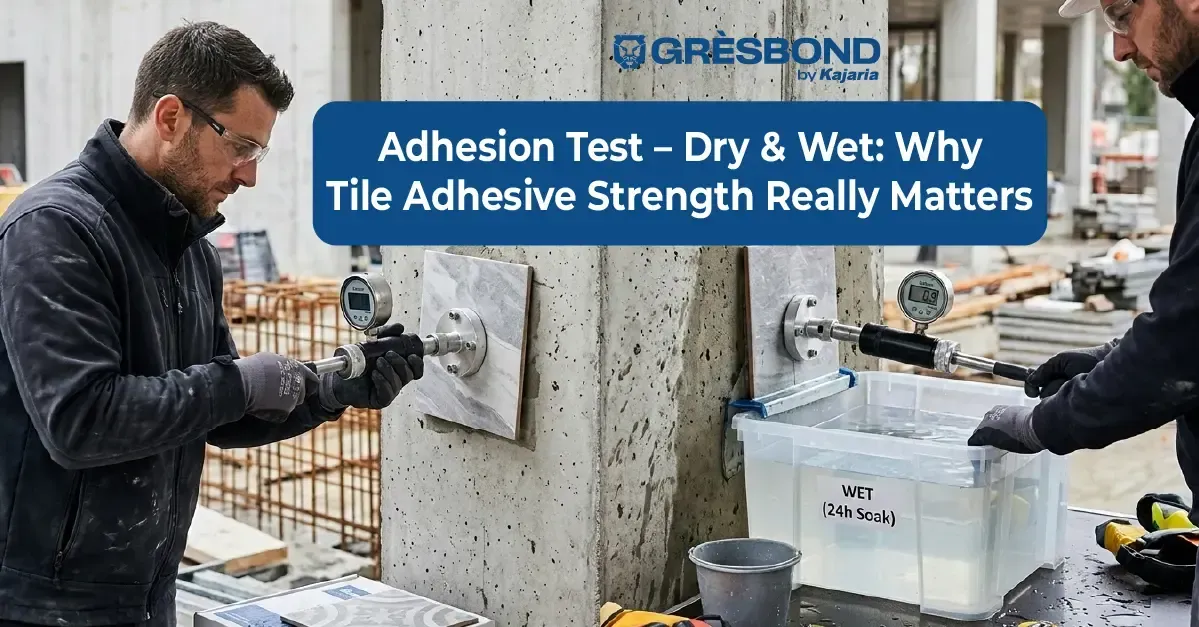
When we install tiles, we usually look at the color, design, and finish. But the most important part of tile work is not what we see. It is what is under the tile — the adhesive.
Tile adhesive is what holds the tile firmly to the wall or floor. If the adhesive is weak, tiles can become loose, crack, or even fall after some time. That is why testing the strength of tile adhesive is very important.
Adhesion testing helps us understand how strong the adhesive is. There are two main types of tests:
Dry Adhesion Test
Wet Adhesion Test
Both tests are necessary to make sure the adhesive works properly in real-life situations.
What Does Adhesion Mean?
Adhesion simply means how strongly the adhesive sticks to two things:
The tile
The surface below the tile (like cement or concrete)
If adhesion is strong, tiles stay in place for many years. If adhesion is weak, problems start early.
Weak bonding can cause:
Tiles lifting from corners
Hollow sound when you tap the tile
Cracks in tiles
Water entering below the tile
Costly repairs
That is why good adhesion is the base of good tile installation.
Dry Adhesion Test – For Normal Indoor Areas
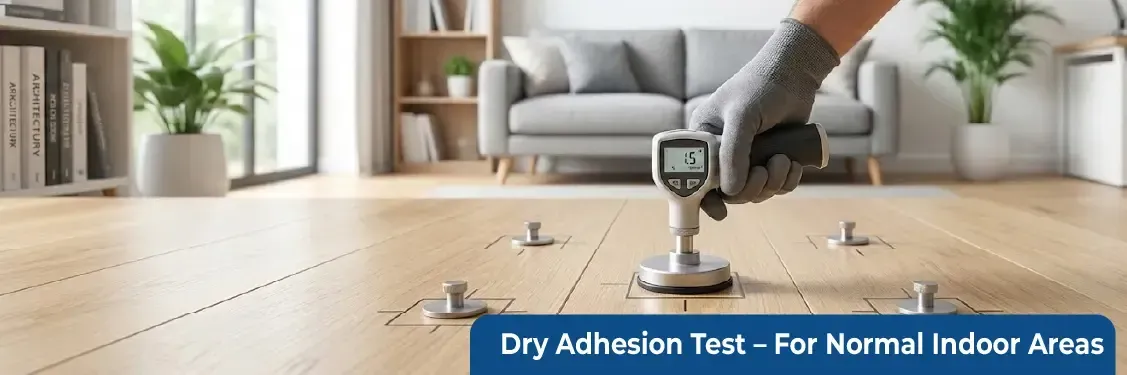
The dry adhesion test checks how strong the adhesive is in normal conditions, where there is no water.
This test is important for areas like:
Living rooms
Bedrooms
Offices
Hallways
How the Dry Adhesion Test Is Done
The process is simple:
The surface is cleaned properly.
Adhesive is spread evenly.
The tile is fixed on the surface.
It is left to dry for a fixed time.
A machine pulls the tile to check how much force is needed to remove it.
If the tile doesn’t come off easily, the adhesive is strong. Using a tested adhesive like CX-1 ensures reliable bonding.
Why Dry Adhesion Is Important
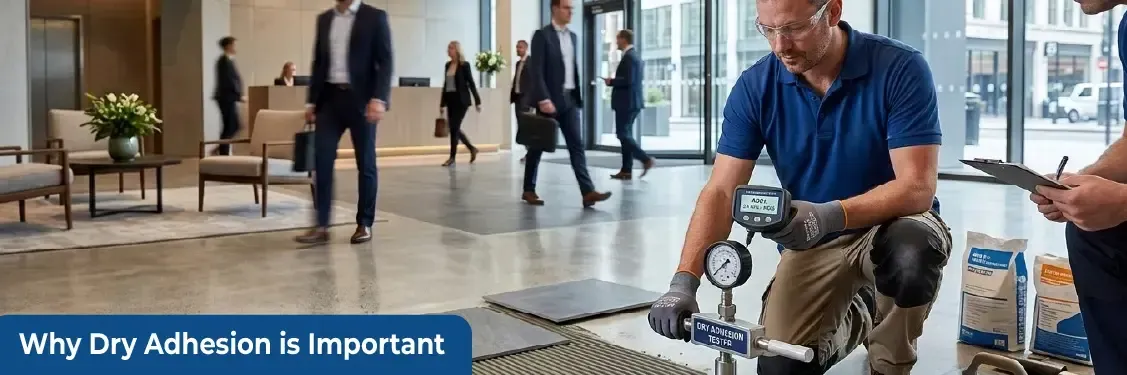
Even in dry areas, tiles go through pressure. People walk on them. Furniture is placed on them. Over time, this pressure can affect weak bonding.
Dry adhesion testing helps to:
Make sure tiles stay fixed
Avoid early damage
Increase tile life
Reduce repair costs
It gives confidence that the adhesive will work well in daily use.
Wet Adhesion Test – For Wet and Moist Areas
Areas like bathrooms, kitchens, balconies, terraces, and swimming pools are regularly exposed to water. Adhesive must remain strong after water contact, which is why the wet adhesion test is crucial. For wet areas, products like VX-2 perform exceptionally well.
How the Wet Adhesion Test Is Done
Tiles are fixed with adhesive.
After drying, the sample is placed in water for a set time.
After soaking, the pulling test is done again
The remaining strength is measured.
If the tile still holds strongly after water exposure, the adhesive is good for wet areas.
Why Wet Adhesion Is Important
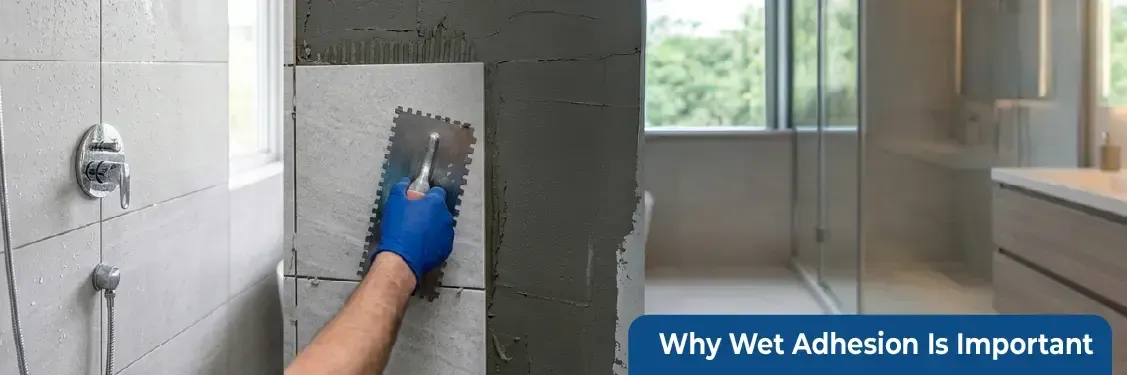
If adhesive becomes weak in water:
Tiles may fall in bathrooms
Water can damage the wall or floor
Mold and leakage problems may start
Repair costs can increase
Wet adhesion testing ensures the adhesive can handle moisture and still stay strong
Why Both Tests Are Needed
Some adhesives may perform well in dry areas but fail when exposed to water. That is why both dry and wet testing are necessary
Together, they make sure the adhesive:
Works in normal rooms
Works in wet spaces
Stays strong for many years
Reduces risk of tile failure
Without proper testing, it is difficult to know how the adhesive will perform.
How Gresbond by Kajaria Maintains Quality
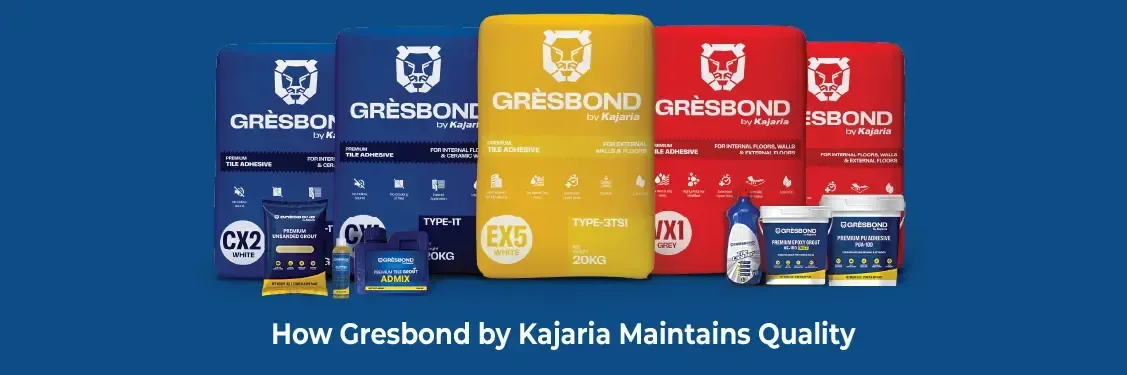
Gresbond by Kajaria checks its tile adhesives through proper lab testing. Every product goes through dry and wet adhesion tests before it reaches the market
Their adhesives are designed to:
Provide strong grip
Work on walls and floors
Handle moisture
Perform in indoor and outdoor areas
Last for a long time
Because of strict testing, users can trust the strength and durability of the adhesive.
Where Strong Adhesion Is Most Important
Strong bonding is very important in:
Bathrooms and kitchens (water exposure)
Balconies and terraces (rain and weather changes)
Swimming pools (constant moisture)
Outdoor spaces (sun and temperature changes)
Commercial areas (heavy foot traffic)
Using adhesive that passes both dry and wet tests helps ensure safe and long-lasting installation
Final Words
Adhesion testing under dry and wet conditions is not just a lab process. It is a way to make sure tiles stay fixed and safe for years. Dry adhesion testing checks strength in normal areas. Wet adhesion testing checks strength after water exposure. Gresbond by Kajaria focuses on proper testing to provide reliable tile adhesives that perform well in different conditions.
Strong adhesive means strong tiles. And strong tiles mean peace of mind for years.