Why Primer Is Important for Porous Surfaces and When You Don’t Need It
gresbond
August 29, 2025
Why Primer Is Important for Porous Surfaces and When You Don’t Need It
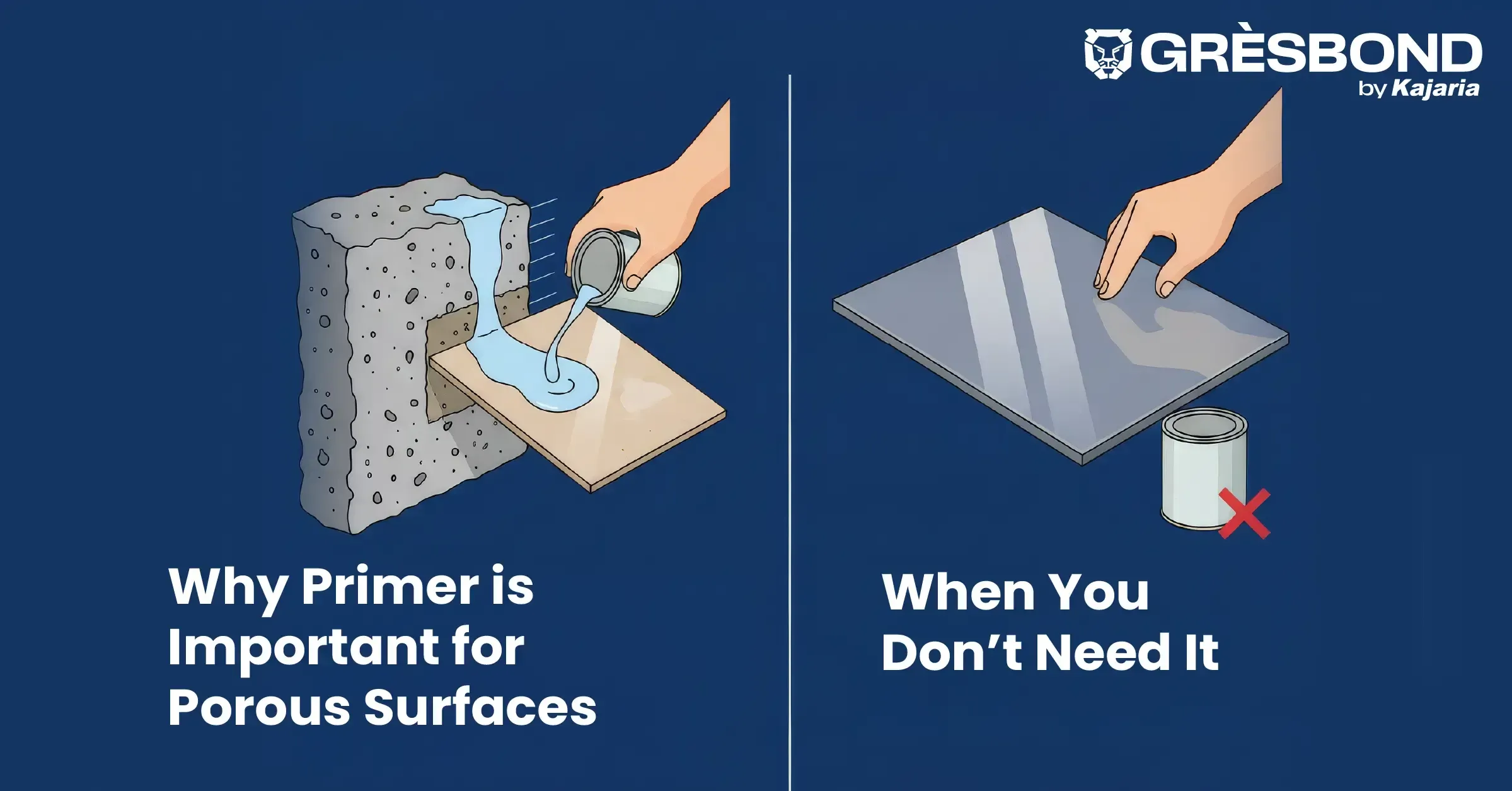
When you fix tiles, every step is important. If you skip something, the tiles can become loose later. One step that many people get wrong is primer. Some don’t use it at all. Some use it when it’s not needed.
If you use primer the right way, the tiles stick better and last longer. Let’s understand it in a simple way.
What Is a Primer?
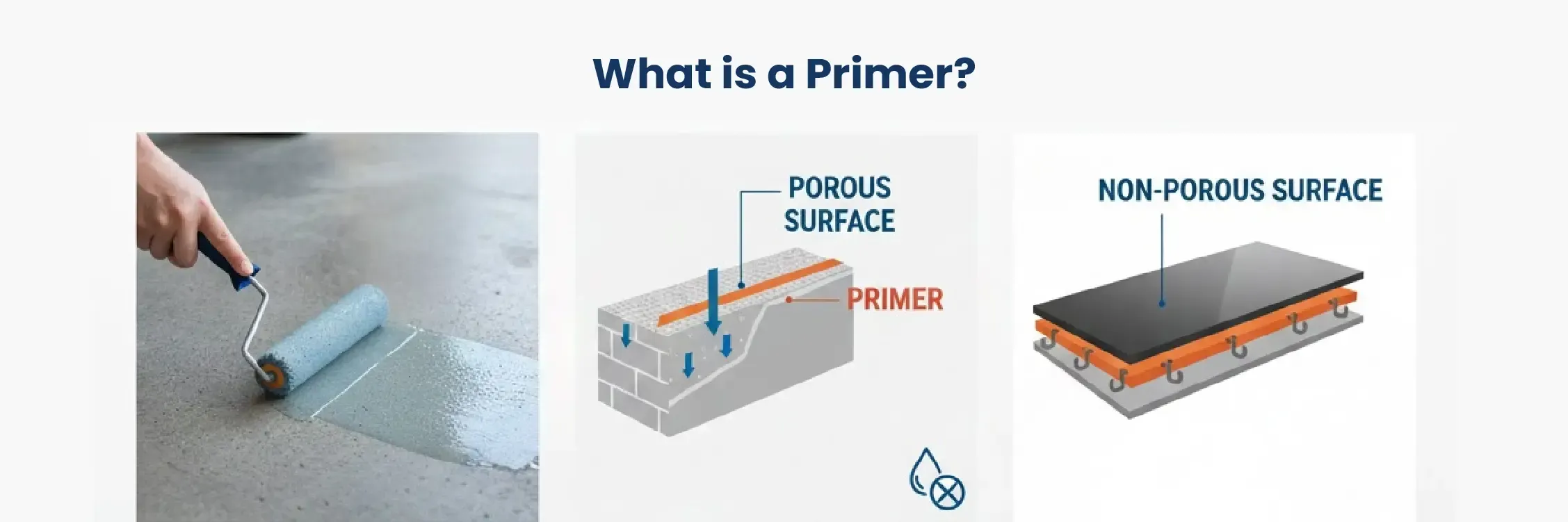
Primer is a thin liquid. You put it on the floor or wall before spreading tile adhesive. Think of it as a base coat that prepares the surface for tiling.
On porous surfaces, primer stops the surface from soaking water out of the adhesive too fast.
On non-porous surfaces, primer helps the adhesive stick better.
If you don’t use primer on a porous surface, the surface pulls water from the adhesive. The adhesive becomes weak and the tiles may not hold well. Primer prevents this problem.
Why Primer Is Needed on Porous Surfaces
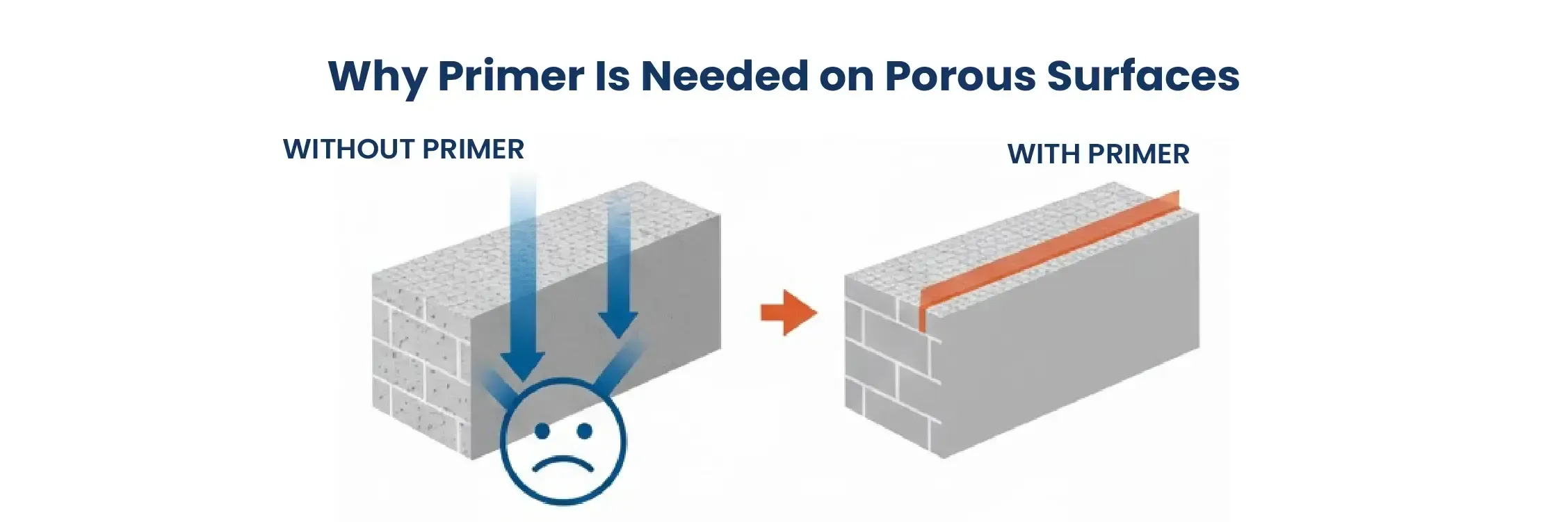
Porous surfaces soak up water very fast. Some common examples are:
Raw cement
Plaster
Concrete blocks
Old unfinished floors
These surfaces have many tiny Pores. When tile adhesive is applied, the water is absorbed quickly, causing the adhesive to dry too fast and lose strength.
Primer fills these tiny holes and seals the surface. This keeps moisture in the adhesive so tiles bond properly and last longer. Choosing the right adhesive using a Best Tile Adhesives Company also improves overall results.
When Primer Is Not Needed
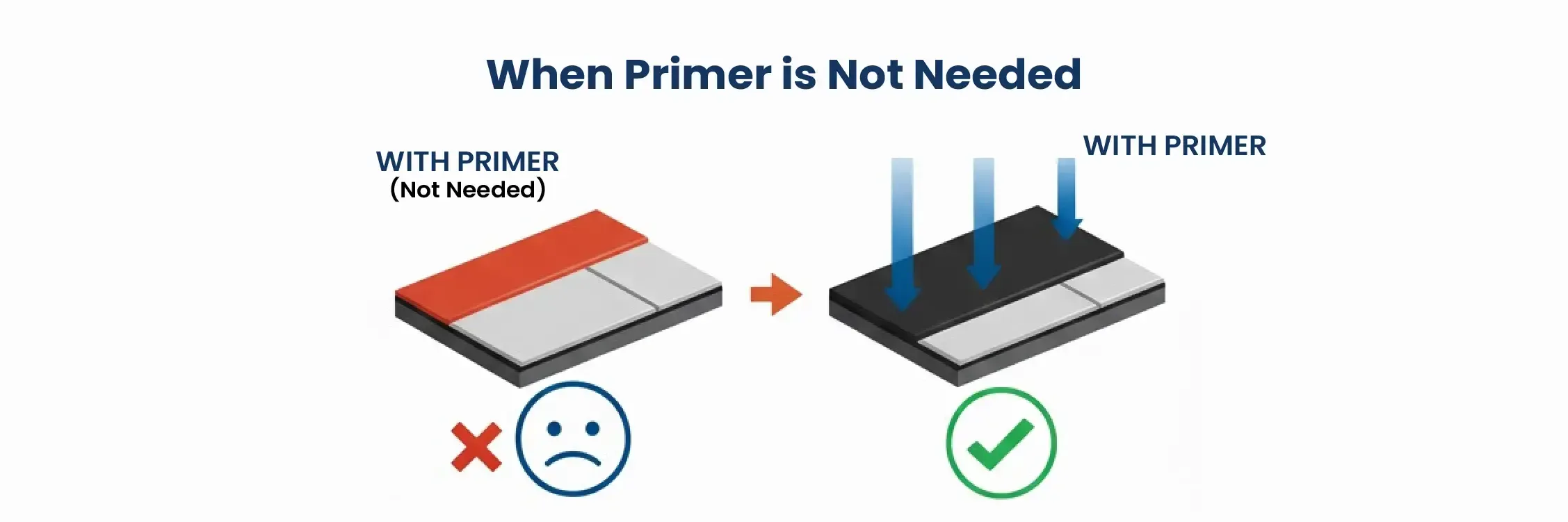
You don’t need primer on every surface. Some surfaces do not absorb water and using primer there can actually weaken bonding.
Clean ceramic tiles that are already fixed well
Smooth, sealed concrete floors
Waterproof layers made specifically for tiling
Surfaces where special bonding adhesives are used
If the surface doesn’t absorb water, primer is usually not required.
How to Check If You Need Primer
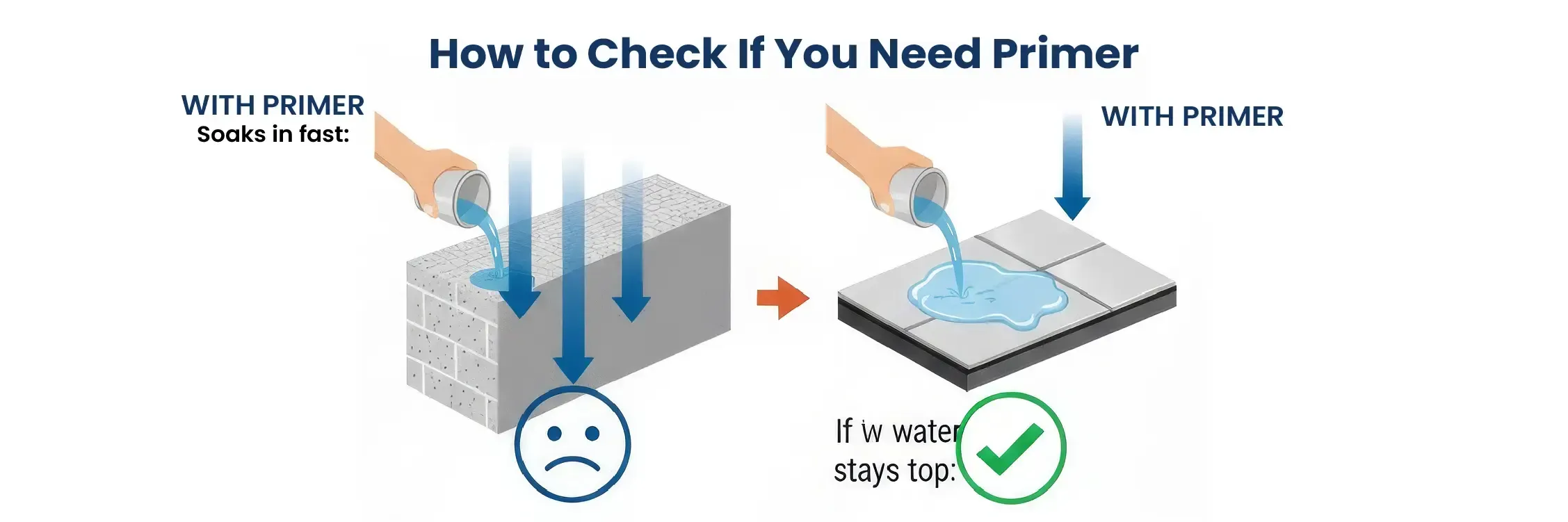
You can do a simple water test:
Pour a little water on the surface.
If water soaks in quickly, the surface is porous — primer is needed.
If water stays on top, the surface is non-porous — primer is not needed.
This quick test helps you decide without any tools.
How to Apply Primer Properly
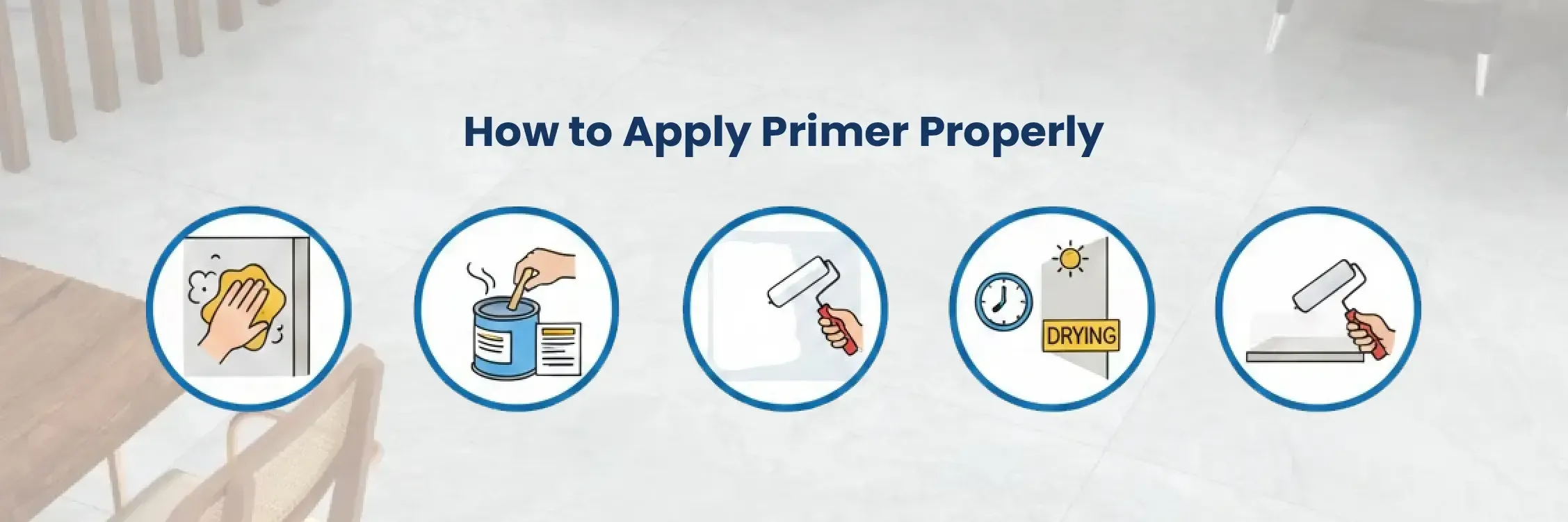
Applying primer is easy if done correctly:
Clean the surface and remove dust or loose material.
Mix the primer if required, as per instructions.
Apply evenly using a brush or roller.
Allow it to dry completely before applying adhesive.
Do not over-apply; one thin coat is enough.
After priming, use a Trowel to spread adhesive evenly and a Tile Leveling System to keep tiles flat and aligned.
Why This Matters
Using primer correctly prevents tile failure. Skipping primer on porous surfaces can cause weak bonding, while using it unnecessarily on non-porous surfaces can reduce adhesive grip.
The rule is simple:
Use primer on surfaces that absorb water.
Skip primer on surfaces that don’t.
Quick Recap
Primer is important for porous surfaces because it seals the pores, reduces excessive absorption, and allows the adhesive to perform at its full strength.
Primer is not required for non-porous surfaces.
Do the water test before tiling.
Apply primer correctly and let it dry fully.
This ensures strong, long-lasting tile installation. For finishing work, using a Rubber Mallet helps seat tiles properly, and joints can be completed neatly with Premium Un-Sanded Grout.